Quercus canariensis
Willd.
Algerian oak
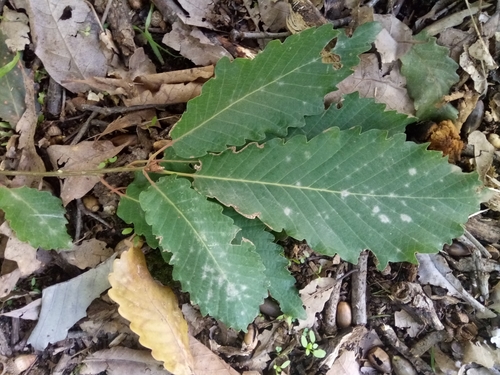
iNaturalist · cc-by
(c) Karim Haddad, some rights reserved (CC BY), uploaded by Karim Haddad
(c) Karim Haddad, some rights reserved (CC BY), uploaded by Karim Haddad

iNaturalist · cc-by-nc-sa
(c) Xavier Béjar, some rights reserved (CC BY-NC-SA)
(c) Xavier Béjar, some rights reserved (CC BY-NC-SA)
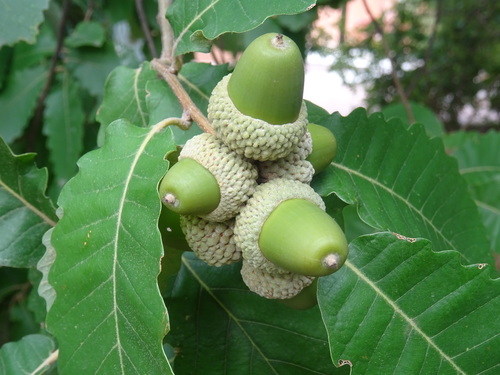
iNaturalist · cc-by-nc
(c) Sergio López Castelo, some rights reserved (CC BY-NC), uploaded by Sergio López Castelo
(c) Sergio López Castelo, some rights reserved (CC BY-NC), uploaded by Sergio López Castelo
Where to Find It
It is a temperate plant. Arboretum Tasmania.
Africa, Algeria, Australia, Morocco, Portugal, Spain, Tasmania, Tunisia,
Countries: Angola, Australia, Burkina Faso, Burundi, Benin, Botswana, Congo (DRC), Central African Republic, Congo (Republic), Cote d'Ivoire, Cameroon, Cape Verde, Djibouti, Algeria, Egypt, Eritrea, Spain, Ethiopia, Gabon, Ghana, Gambia, Guinea, Equatorial Guinea, Guinea-Bissau, Kenya, Comoros, Liberia, Lesotho, Libya, Morocco, Madagascar, Mali, Mauritania, Mauritius, Malawi, Mozambique, Namibia, Niger, Nigeria, Rwanda, Seychelles, Sudan, Sierra Leone, Senegal, Somalia, South Sudan, Sao Tome & Principe, Eswatini, Chad, Togo, Tunisia, Tanzania, Uganda, South Africa, Zambia, Zimbabwe
How to Identify
A tree. It grows 20-30 m tall. The trunk is 1.5 m across. The bark is deeply cracked. The leaves are 10-15 cm long and 6-8 cm wide. The fruit is an acorn 2.5 cm long and 2 cm wide in a shallow cup.
Wikipedia
Source ↗Quercus canariensis, the Algerian oak, Mirbeck's oak or zean oak, is an oak native to southern Portugal, Spain, Tunisia, Algeria and Morocco. Despite the scientific name, it does not occur naturally today in the Canary Islands. It is placed in section Quercus.
Names & Synonyms
Quercus carpinifolia Sennenand several others
More from Fagaceae

Castanea alnifolia
Bush chinkapin, Florida chinkapin, Trailing chinkapin, Downy chinquapin

Castanea crenata
Japanese chestnut

Castanea dentata
American chestnut, American sweet chestnut

Castanea henryi
Zhui li, Conic chestnut
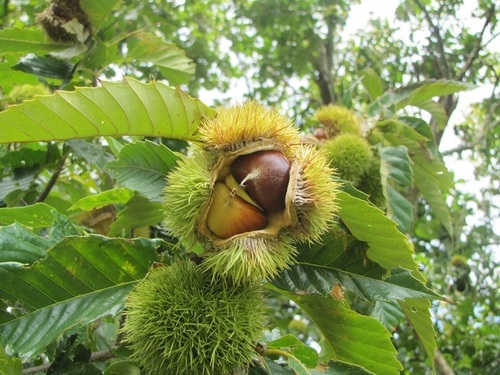
Castanea mollissima
Chinese chestnut

Castanea ozarkensis
Ozark chinkapin, Ozark chestnut