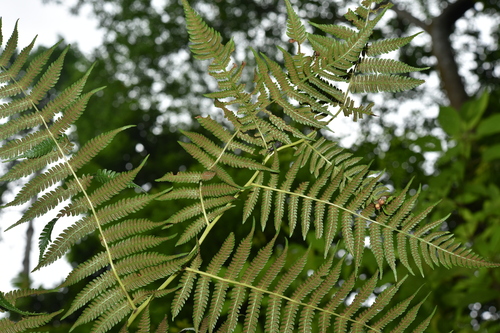
Diplazium polypodioides
Blume
AthyriaceaeLeaves
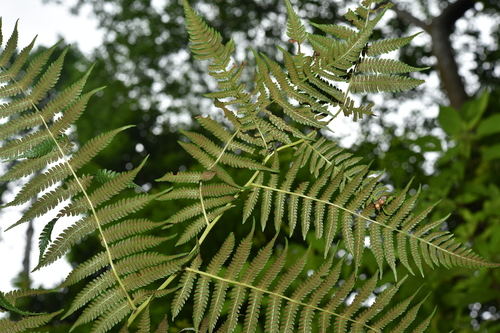
iNaturalist · cc-by-nc
(c) liangfern, some rights reserved (CC BY-NC)
(c) liangfern, some rights reserved (CC BY-NC)

gbif · cc-by-nc
BioM_Akekachoke.B
BioM_Akekachoke.B
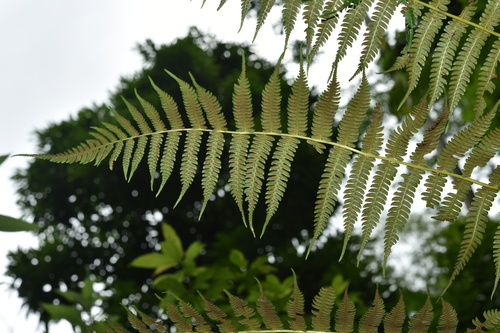
iNaturalist · cc-by-nc
(c) liangfern, some rights reserved (CC BY-NC)
(c) liangfern, some rights reserved (CC BY-NC)
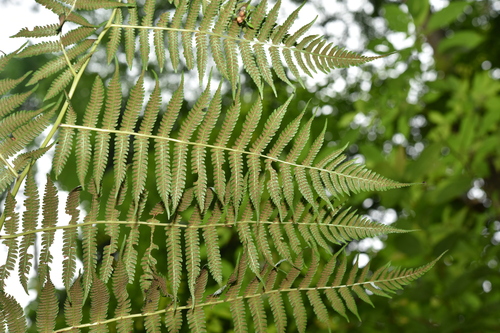
iNaturalist · cc-by-nc
(c) liangfern, some rights reserved (CC BY-NC)
(c) liangfern, some rights reserved (CC BY-NC)
What to Eat
Edible parts: Fronds
Young fronds are eaten cooked.
Where to Find It
It is a tropical plant.
Asia, Bangladesh, Cambodia, India, Indonesia, Laos, Malaysia, Pakistan, Papua New Guinea, PNG, Philippines, SE Asia,
Countries: United Arab Emirates, Afghanistan, Armenia, Azerbaijan, Bangladesh, Bahrain, Brunei, Bhutan, China, Georgia, Indonesia, Israel, India, Iraq, Iran, Jordan, Japan, Kyrgyzstan, Cambodia, North Korea, South Korea, Kuwait, Kazakhstan, Laos, Lebanon, Sri Lanka, Myanmar, Mongolia, Maldives, Malaysia, Nepal, Oman, Papua New Guinea, Philippines, Pakistan, Qatar, Saudi Arabia, Singapore, Syria, Thailand, Tajikistan, Timor-Leste, Turkmenistan, Turkey, Taiwan, Uzbekistan, Vietnam, Yemen
How to Identify
A tropical fern with fronds that are eaten cooked.
Names & Synonyms
Konji, Lingra
References (4)
- Delos Angeles, M. D., & Buot Jr., I. E., 2012, Orders and Families of Philippine Pteridophytes. Journal of Nature Studies 11 (1 & 2): 19-33
- Gul, A., et al, 2016, Traditional, medicinal and food uses of Pteridophytes of district Mansehra (Pakistan) and their some adjacent areas. International Journal of Biosciences. Vol. 9, No. 5 p. 116-133
- Wiersema, J. H. & Leon, B., 2013, World Economic Plants. A Standard Reference CRC Press. 2nd Ed. p 250
- World Checklist of Useful Plant Species 2020. Royal Botanic Gardens, Kew