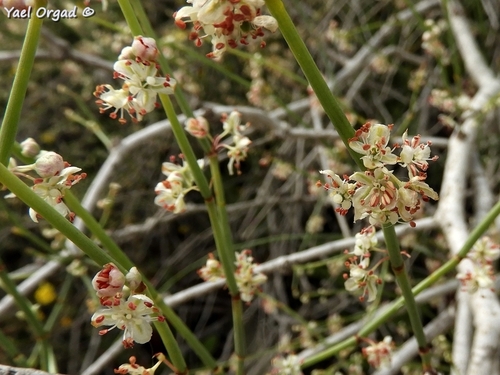
Rumex lapponicus
(Hiltonen) Czernov
Lapland mountain sorrel
PolygonaceaeLeaves

iNaturalist · cc-by-nc
(c) Andy Fyon, some rights reserved (CC BY-NC), uploaded by Andy Fyon
(c) Andy Fyon, some rights reserved (CC BY-NC), uploaded by Andy Fyon
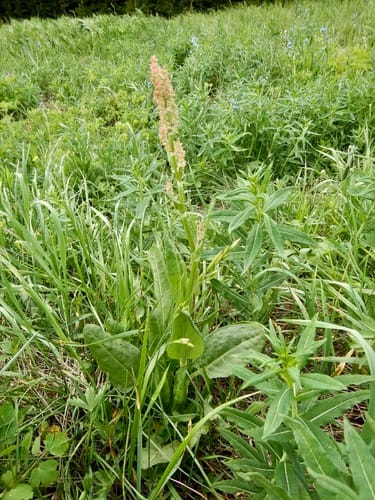
iNaturalist · cc-by-nc
(c) Lori Skulski, some rights reserved (CC BY-NC)
(c) Lori Skulski, some rights reserved (CC BY-NC)
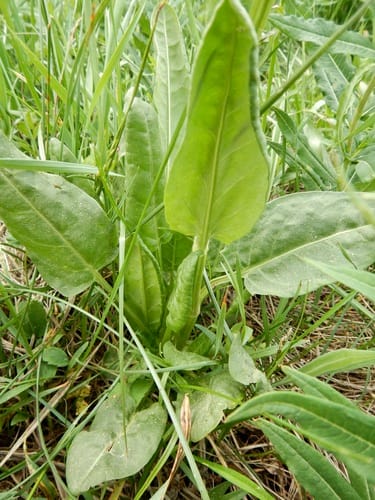
iNaturalist · cc-by-nc
(c) Lori Skulski, some rights reserved (CC BY-NC)
(c) Lori Skulski, some rights reserved (CC BY-NC)
What to Eat
Edible parts: Leaves
The leaves are edible.
Where to Find It
It is a temperate plant. It grows from sea level to 2,500 m above sea level. It is often near rivers.
Alaska, Canada, Europe, Finland, Greenland, North America, Norway, Russia, Siberia, Sweden, USA,
Countries: Andorra, Antigua & Barbuda, Albania, Austria, Bosnia & Herzegovina, Barbados, Belgium, Bulgaria, Bahamas, Belarus, Belize, Canada, Switzerland, Costa Rica, Cuba, Cyprus, Czechia, Germany, Denmark, Dominica, Dominican Republic, Estonia, Spain, Finland, France, United Kingdom, Grenada, Greece, Guatemala, Honduras, Croatia, Haiti, Hungary, Ireland, Iceland, Italy, Jamaica, St Kitts & Nevis, St Lucia, Liechtenstein, Lithuania, Luxembourg, Latvia, Monaco, Moldova, Montenegro, North Macedonia, Malta, Mexico, Nicaragua, Netherlands, Norway, Panama, Poland, Puerto Rico, Portugal, Romania, Serbia, Russia, Sweden, Slovenia, Slovakia, San Marino, El Salvador, Trinidad & Tobago, Ukraine, United States, St Vincent
How to Identify
A herb. The stems are 20-60 cm tall. The leaves are 3-10 cm long and 1-4 cm wide.
Wikipedia
Source ↗Rumex lapponicus, known commonly as Lapland mountain sorrel is a perennial flowering herb species in the family Polygonaceae. It is commonly found in meadows and rock outcrops, as well as montane, arenicolous, and alluvial habitats.
Names & Synonyms
Acetosa lapponica (Hiltonen) Holub.and others
References (1)
- Ulian, T., et al, 2020, Unlocking plant resources to support food security and promote sustainable agriculture. Plants, People, Planet. 2020;2:421–445.