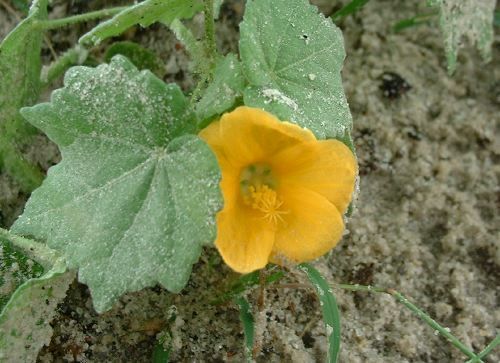
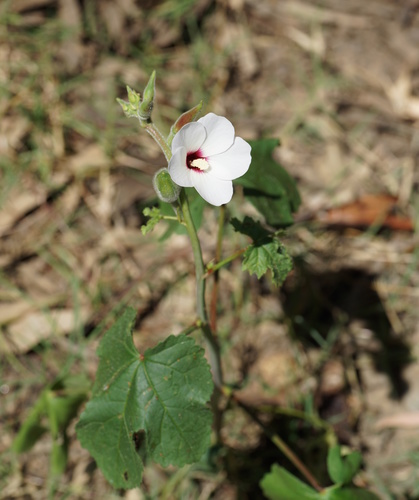
Durio dulcis
Becc.
Durian meragang

(c) Erna, some rights reserved (CC BY-NC)

Wikimedia Commons - Ezagren (bicara / talk)

Wikimedia Commons - KVDP
What to Eat
Edible parts: Fruit
The aril surrounding the seeds is the main edible portion — it is very sweet and fragrant, with a bright yellow colour, soft creamy texture, and a flavour reminiscent of pineapple cream without the acidity. The fruit is globose, up to 15cm in diameter, with a dark purplish-red to dark brown-red case bearing slender spines 15–20mm long. Inside, brown seeds are each fully covered by the dark yellow aril. The fruit is extremely strong-smelling — this species produces the sweetest yet most offensively odorous fruits in the genus. The seeds can also be eaten cooked, either boiled or roasted.
Known Hazards
Where to Find It
A tropical plant. It occurs naturally in Sarawak and Kalimantan. It is scattered in the rain forest. It grows from sea level up to 800 m above sea level.
Asia, Australia, Brunei, Indonesia*, Malaysia*, SE Asia,
How to Identify
A very large tree. It grows 43 m tall. The trunk can be 80 cm across. It has large buttresses. The leaves are alternate and simple. The leaves are glossy with a golden colour underneath. The fruit are red skinned. They are 12-23 cm across. They have slender 15-20 mm long spines. The flesh has a deep caramel flavour. Fruit are hard to open. The seeds are brown and covered with a dark yellow covering or aril.
How to Grow
A tree of the moist lowland tropics, it is found at elevations up to 800 metres. Plants are found in the wild on sandy clay soils and friable clay loam. The flowers are produced in short inflorescences that are clustered on older branches.
Propagation: Seed — no further details available.
Medicinal Uses
None known
Other Uses
The heartwood is pink-brown and the wood is considered one of the most important sources of durian timber in Sarawak. It is used in interior construction and for making cheaper furniture and packing cases. More generally, wood from species in this genus has a pink-brown, red, or deep red-brown heartwood not always clearly separated from the white, pale yellow-brown, or light reddish-yellow sapwood. The texture is coarse with straight to interlocked grain, some lustre, and a reported foetid odour. The wood is not durable and is not resistant to termite attack; the sapwood is prone to powder-post beetle attack. It dries rapidly but thin boards may tend to cup. It saws easily, generally dresses smoothly, and has good nailing qualities. Uses include furniture components, veneer and plywood, and light construction.
Wikipedia
Source ↗Durio dulcis, known as durian marangang (or merangang), red durian, tutong, or lahung, is a fairly large tree in the genus Durio. It can grow up to 40 m tall. The husk of its fruit is dark red to brown-red, and covered with slender 15–20 mm long spines. The fruit flesh is dark yellow, thin, and deep caramel-flavored, with a turpentine odor. The fruit of this species is considered by many to be the sweetest of all durians.
Other Information
It is occasionally cultivated as a fruit tree.
Notes
There are about 20 Durio species. Also put in the family Durionaceae. In the subfamily Bombacoideae.
Names & Synonyms
Dianjau, Durian bala, Durian merah, Durian tinggang, Duyen, Lahong, Lahung, Lajung, Lalit manuk, Layung, Pesasang, Rian tutong, Tutong
References (11)
- Arora, R. K., 2014, Diversity in Underutilized Plant Species - An Asia-Pacific Perspective. Bioversity International. p 69
- Dodo, 2015, Keanekaragaman dan konservasi Tumbuhan Buah Langka Indonesia. Pusat Konservasi Tumbuhan Kebun Raya – LIPI. Warta Kebun Raya 13(2)
- Facciola, S., 1998, Cornucopia 2: a Source Book of Edible Plants. Kampong Publications, p 50
- Kebler, P. J. A., & Kidiyasa, 1994, Trees of the Balikpapan-Samarinda area of East Kalimantan, Indonesia. The Tropenbos Foundation, Wageningen, The Netherlands. p 58
- Milow, P., et al, 2013, Malaysian species of plants with edible fruits or seeds and their evaluation. International Journal of Fruit Science. 14:1, 1-27
- Mulyoutami, E., et al, 2009, Local knowledge and management os simpikng (forest gardens) among the Dayak people in East Kalimatan, Indonesia. Forest Ecology and Management. 257:2054-2061
- Siong, K. H., 2003, Indigenous Fruits of Sarawak. ITTO & Sarawak Forest Department. p 21
- Slik, F., www.asianplant.net
- Tankard, G., 1990, Tropical fruit. An Australian Guide to Growing and using exotic fruit. Viking p 118
- Verheij, E. W. M. and Coronel, R.E., (Eds.), 1991, Plant Resources of South-East Asia. PROSEA No 2. Edible fruits and nuts. Pudoc Wageningen. p 330
- www.worldagroforestrycentre.org/sea/products/afdbases/af/asp/SpeciesInfo.asp?SpID=18193