Malva moschata
L.
Musk Mallow

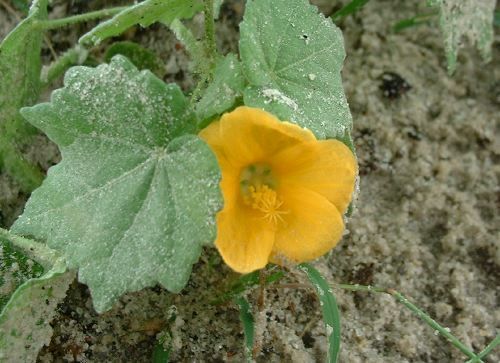
(c) jhonnydee25, some rights reserved (CC BY-NC)

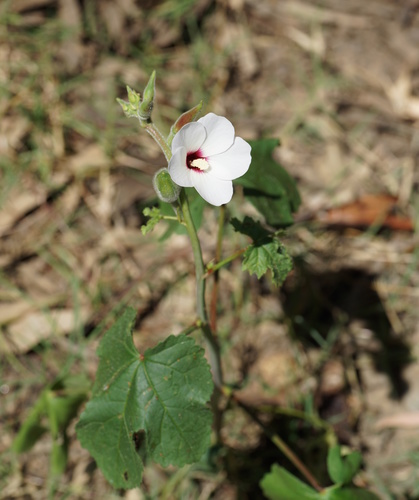
(c) Douglas Goldman, some rights reserved (CC BY-SA), uploaded by Douglas Goldman

(c) Douglas Goldman, some rights reserved (CC BY-SA), uploaded by Douglas Goldman
What to Eat
Edible parts: Flowers, Leaves, Seed
Leaves - raw or cooked. A mild pleasant flavour. The leaves are mucilaginous and fairly bland, we use them in bulk in summer salads. They make a very good perennial substitute for lettuce in a salad, producing fresh leaves from spring until the middle of summer, or until the autumn from spring germinating plants. Flowers - raw. A very decorative addition to the salad bowl, they have a very mild flavour. Seed - raw. Best used before it is fully mature, the seed has a pleasant nutty taste but it is rather small and fiddly to harvest.
Known Hazards
Where to Find It
Most of Europe, including Britain, south to N. Africa.
TEMPERATE ASIA: Turkey. EUROPE: United Kingdom (U.K.), Austria, Belgium, Czech Republic, Germany, Netherlands, Poland, Albania, Bosnia and Herzegovina, Greece, Croatia, Italy (incl. Sicily), North Macedonia, Montenegro, Romania, Serbia, Slovenia, Spain, France,
How to Identify
Malva moschata is a PERENNIAL growing to 0.8 m (2ft 7in) by 0.6 m (2ft) at a medium rate. See above for USDA hardiness. It is hardy to UK zone 3 and is not frost tender. It is in flower from July to August, and the seeds ripen from August to September. The species is hermaphrodite (has both male and female organs) and is pollinated by Bees. The plant is self-fertile. It is noted for attracting wildlife. Suitable for: light (sandy), medium (loamy) and heavy (clay) soils and prefers well-drained soil. Suitable pH: mildly acid, neutral and basic (mildly alkaline) soils. It can grow in semi-shade (light woodland) or no shade. It prefers moist soil. The plant can tolerates strong winds but not maritime exposure.
How to Grow
A very easily grown plant, succeeding in ordinary garden soil, though it prefers a reasonably well-drained and moderately fertile soil in a sunny position. Hardy to about -25°c. A very ornamental plant. It is very variable in form, especially with regard to the degree of laciniation of the leaves. The crushed leaves have a musk-like smell. Plants are generally quite short-lived though they can self-sow freely when in a suitable position and usually more than maintain themselves. If the plant is pruned back to the main branches as it comes into flower, then it will produce a fresh flush of leaves in late summer for salad use. A good plant for the summer meadow. Plants seem to be immune to the predations of rabbits. Prone to infestation by rust fungus. For polyculture design and the above-ground architecture (form - tree, shrub, etc. and size shown above), information on the habit and root pattern is also useful and given here if available. An evergreen. Many Malva species are self-fertile, allowing for adequate pollination within the same flower. Leaves and flowers can be harvested in late spring to summer, depending on the species and climate. Mallow typically flowers from late spring to summer. Mallow has a moderate growth rate and can establish itself quickly. It often produces flowers within the first year of growth.
Propagation: Seed - best sown in early spring in a cold frame. The seed germinates quickly and easily. Prick out the seedlings into individual pots when they are large enough to handle and plant them out in their permanent positions in the early summer. If you have sufficient seed then it can be sown outdoors in situ in the middle to late spring. Basal cuttings in late spring. Harvest the shoots with plenty of underground stem when they are about 8 - 10cm above the ground. Pot them up into individual pots and keep them in light shade in a cold frame or greenhouse until they are rooting well. Plant them out in the summer. Cuttings of side shoots, July/August in a cold frame.
Medicinal Uses
Antiphlogistic Astringent Demulcent Diuretic Emollient Expectorant Laxative Poultice Salve Urinary. All parts of the plant are antiphlogistic, astringent, demulcent, diuretic, emollient, expectorant, laxative, salve[4, 7, 9, 21, 46, 222, 238]. The leaves and flowers can be eaten as part of the diet, or a tea can be made from the leaves, flowers or roots. The leaves and flowers are the main part used, their demulcent properties making them valuable as a poultice for bruise, inflammations, insect bites etc, or taken internally in the treatment of respiratory system diseases or inflammation of the digestive or urinary systems. They have similar properties, but are considered to be inferior, to the common mallow (M. sylvestris) and the marsh mallow (Althaea officinalis) and are seldom used internally. The plant is an excellent laxative for young children.
Other Uses
Dye Fibre Agroforestry uses: Mallow can be used as a cover crop to improve soil quality and prevent erosion. Its leaves can also be used as mulch, and the flowers attract pollinators. Cream, yellow and green dyes can be obtained from the plant and the seed heads. A fibre obtained from the stems is used for cordage, textiles and paper making.