Malva nicaeensis
All.
Bull Mallow

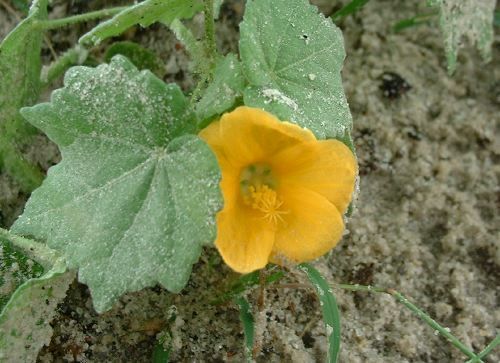
(c) shira gal, some rights reserved (CC BY)

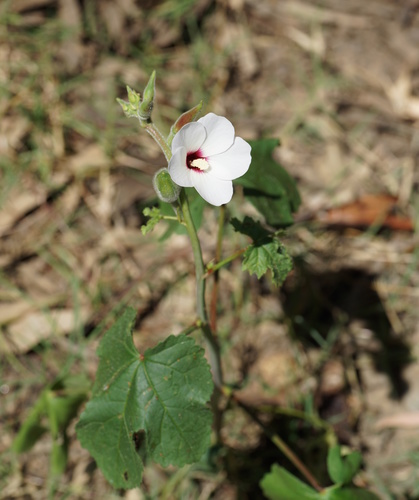
(c) Dave Holland, some rights reserved (CC BY-NC), uploaded by Dave Holland

(c) רעות בן אלישר, some rights reserved (CC BY-NC), uploaded by רעות בן אלישר
What to Eat
Edible parts: Leaves, Seed
Leaves - raw or cooked. A very mild flavour with a mucilaginous texture, they make a very acceptable part of a mixed salad, or a good filling for a salad sandwich, though they are somewhat boring on their own. The cooked leaf has a rather slimy texture. Seed - raw. Best used before it is fully mature, the seed has a pleasant nutty taste but it is rather small and fiddly to harvest.
Known Hazards
Where to Find It
Europe to W. Asia. An introduced and not infrequent casual in Britain, occasionally established.
TEMPERATE ASIA: Saudi Arabia, Cyprus, Egypt (Sinai), Iran, Iraq, Israel, Jordan, Lebanon, Syria, Turkey, Armenia, Azerbaijan, Georgia, Tajikistan, Turkmenistan EUROPE: Albania, Bulgaria, Greece (incl. Crete), Croatia, Italy (incl. Sardinia, Sicily), Slovenia, Spain (incl. Baleares), France (incl. Corsica), Portugal AFRICA: Spain (Canarias), Portugal (Madeira Islands), Algeria, Egypt, Libya, Morocco, Tunisia
How to Identify
Malva nicaeensis is a PERENNIAL growing to 0.5 m (1ft 8in). See above for USDA hardiness. It is hardy to UK zone 7. It is in flower from June to September, and the seeds ripen from July to October. The species is hermaphrodite (has both male and female organs) and is pollinated by Insects. Suitable for: light (sandy), medium (loamy) and heavy (clay) soils and prefers well-drained soil. Suitable pH: mildly acid, neutral and basic (mildly alkaline) soils. It can grow in semi-shade (light woodland) or no shade. It prefers moist soil.
How to Grow
A very easily grown plant, succeeding in ordinary garden soil, though it prefers a reasonably well-drained and moderately fertile soil in a sunny position. Plants seem to be immune to the predations of rabbits. Plants are prone to infestation by rust fungus. This species is closely related to M. sylvestris. Plants growing in an open sunny position in the Order Beds at Cambridge Botanical gardens are very similar to M. sylvestris and, like that species, are clearly perennial even though we have read reports that they are annual.
Propagation: Seed - sow early spring in situ. Germination should take place within 2 weeks.
Medicinal Uses
Analgesic FebrifugeA decoction of the plant has been used in the treatment of migraine headaches. A poultice of the heated leaves has been applied to the head or stomach to relieve pain. A decoction of the roots has been used to treat fevers, especially in children.
Other Uses
Dye Hair. Cream, yellow and green dyes can be obtained from the plant and the seed heads. A decoction of the roots has been used as a hair rinse.