Malva parviflora
L.
Cheeseweed, Cheeseweed mallow

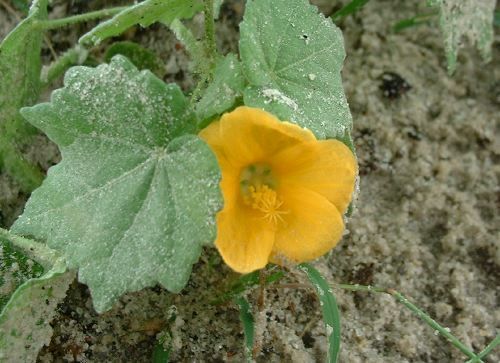
(c) James Bailey, some rights reserved (CC BY-NC), uploaded by James Bailey

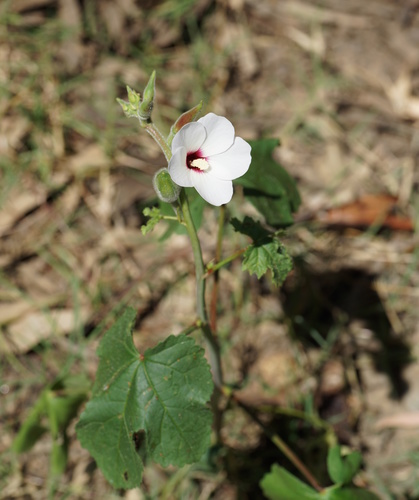
(c) Mohammad Marafi, some rights reserved (CC BY-NC), uploaded by Mohammad Marafi

(c) Roberto Daniel Avila, some rights reserved (CC BY), uploaded by Roberto Daniel Avila
What to Eat
Edible parts: Leaves, Oil, Seed
Oil. Leaves - raw or cooked as a potherb. A mild pleasant flavour, they make a very acceptable alternative to lettuce in salads. Immature seeds - raw or cooked. They are used to make a creamed vegetable soup that resembles pea soup. A few leaves are also added for colouring. The seeds have a pleasant nutty flavour, though they are too small for most people to want to collect in quantity.
Known Hazards
Where to Find It
S.W. Europe. A casual in Britain.
TEMPERATE ASIA: Kuwait, Afghanistan, Cyprus, Egypt (Sinai), Iran, Israel, Jordan, Lebanon, Syria, Turkey, Armenia, Azerbaijan, Turkmenistan EUROPE: Albania, Bosnia and Herzegovina, Greece, Croatia, Italy, Malta, Spain (incl. Baleares), France, Portugal AFRICA: Algeria, Egypt, Libya, Morocco, Tunisia
How to Identify
Malva parviflora is a ANNUAL growing to 0.5 m (1ft 8in). It is not frost tender. The species is hermaphrodite (has both male and female organs) and is pollinated by Insects. Suitable for: light (sandy), medium (loamy) and heavy (clay) soils and prefers well-drained soil. Suitable pH: mildly acid, neutral and basic (mildly alkaline) soils. It can grow in semi-shade (light woodland) or no shade. It prefers moist soil.
How to Grow
A very easily grown plant, succeeding in ordinary garden soil, though it prefers a reasonably well-drained and moderately fertile soil in a sunny position. Plants seem to be immune to the predations of rabbits. Plants are prone to infestation by rust fungus.
Propagation: Seed - sow early spring in situ. Germination should take place within 2 weeks.
Medicinal Uses
Antidandruff Demulcent Emollient Pectoral Skin. The whole plant is emollient and pectoral. It can be used as a poultice on swellings, running sores and boils. The seeds are demulcent. They are used in the treatment of coughs and ulcers in the bladder. A decoction of the roots or leaves has been used as a hair rinse to remove dandruff and to soften the hair.
Other Uses
Dye Hair Oil. The seed contains up to 18% of a fatty oil. No more details are given, though the oil is likely to be edible. Cream, yellow and green dyes can be obtained from the plant and the seed heads. A decoction of the roots or leaves has been used as a hair rinse to soften the hair.