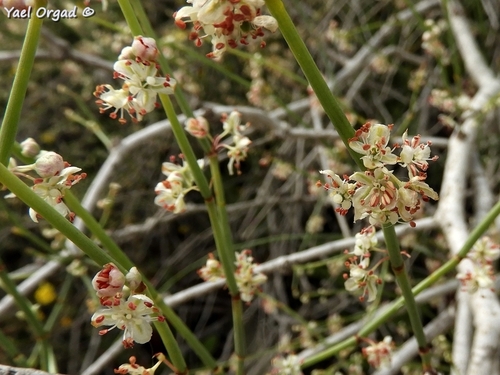
Polygonum viviparum
L.
Alpine Bistort

Julien Barataud

Calvin Siméon

betony13
What to Eat
Edible parts: Leaves, Root, Seed
A remarkable alpine specialist that offers mild edible greens, marginal but improvable roots, and unique bulblets for both propagation and occasional culinary curiosity—best appreciated where cool, wet alpine conditions can be met. Leaves - raw or cooked. They have a pleasant tart taste when cooked. Seed - raw or cooked. The seed is not often produced and even when it is, it is rather small and fiddly to utilize. It is rich in starch. It is pickled in Nepal. Root - raw or cooked. Starchy and pleasant but rather small. Sweet, nutty and wholesome. They taste best when roasted. Bulbils from lower part of flowering stem - raw. Foraging notes: Edible Uses & Rating: Leaves are mild and usable raw or cooked. Roots are reported in many sources as more acceptable than American bistort—still tannic but less punishing—so potentially serviceable after processing. Seeds are edible but tiny; bulblets are not a staple food but are edible and can be cooked or used as a propagation snack. Edibility rating: 3/5 overall (3/5 leaves, 2–3/5 roots with processing, 2/5 seeds/bulblets). Traditional/Indigenous Use Summary: Across circumpolar/alpine cultures, alpine bistort has been noted as a minor green and survival starch, with bulblets occasionally used as a nibble or for quick replanting; the plant’s high-country niche made it a supplemental rather than staple resource. Look-Alikes & Confusion Risks: Easily separated from B. bistortoides by the bulblets on lower inflorescences and generally narrower spikes and smaller stature. Basal leaves could be confused with young Rumex or other Polygonaceae; confirm by checking ocreae and the viviparous spike. Harvest & Processing Workflow: Leaves: harvest young, rinse, and use fresh or briefly blanch. Roots: lift modest plants, peel, thin-slice, and boil through 2–3 water changes; taste and stop when astringency drops to acceptable levels. Bulblets: pick firm, rinse, blanch 1–2 minutes; use immediately or plant for increase. Seeds: shake off, winnow, and simmer as a thickener. Edibility Summary: Best part: young leaves. Usable with processing: roots (less bitter than American bistort), tiny seeds; bulblets edible but minor. Rating: 3/5 overall for foragers in true alpine country. Taste, Processing & Kitchen Notes: Leaf flavor mirrors B. bistortoides—gentle greens with slight mucilage. Roots vary by site but are typically less astringent; peel, slice thin, and boil in repeated changes of water; the goal is to leach tannins while salvaging some starch. Bulblets can be briefly blanched and tossed with other alpine greens; they have little flavor but pleasant bite. Seeds are so small they are best as a soup thickener rather than a grain. Seasonality (Phenology): At true alpine elevations leaves emerge very late spring; flowering begins mid- to late summer with viviparous bulblets forming on the lower spike; seed set follows higher on the spike. Roots can be taken whenever soil is workable; best leaf quality is early. Safety & Cautions (Food Use): Roots still contain tannins; even with lower levels, use moderation and process with multi-stage boiling. As with other Polygonaceae, moderate intake is prudent for people sensitive to astringent compounds.
Known Hazards
Where to Find It
Arctic and northern regions of Europe, including Britain, Asia and America. On mountains in south.
TEMPERATE ASIA: Amur, Armenia, Azerbaijan, China, Ciscaucasia, Dagestan, Eastern Siberia, Gansu Sheng, Georgia, Guizhou Sheng, Habarovskij kraj, Hebei Sheng, Heilongjiang Sheng, Henan Sheng, Hokkaidô, Honshu, Hubei Sheng, Japan, Jilin Sheng, Kamcatskij kraj, Kazakhstan, Korea, Kyrgyzstan, Liaoning Sheng, Magadanskaja oblast, Mongolia, Nei Mongol Zizhiqu, Ningxia Huizi Zizhiqu, Primorye, Qinghai Sheng, Russian Federation, Russian Federation, Russian Federation-Eastern Siberia, Russian Federation-Western Siberia, Sakhalin, Shaanxi Sheng, Shanxi Sheng, Sichuan Sheng, Tajikistan, Western Siberia, Xinjiang Uygur Zizhiqu, Xizang Zizhiqu, Yunnan Sheng,Russian Federation-Ciscaucasia. TROPICAL ASIA: Bhutan, India (north), Nepal, Myanmar, Thailand, NORTHERN AMERICA: Canada, Northwest Territories, Yukon, Québec, Ontario, New Brunswick, Newfoundland and Labrador, Saskatchewan, Alberta, Manitoba, British Columbia, St. Pierre and Miquelon, Greenland, United States, Alaska, Maine, Michigan, New Hampshire, Vermont, Minnesota, South Dakota, Colorado, Idaho, Montana, Oregon, Washington, Wyoming, New Mexico, Arizona, Nevada, Utah, EUROPE: Denmark, Finland, United Kingdom (U.K.), Ireland, Iceland, Norway, Svalbard and Jan Mayen, Sweden, Austria, Switzerland, Germany, Poland, Slovakia, Russian Federation-European part, European part, Albania, Bulgaria, Croatia, Italy, North Macedonia, Montenegro, Romania, Serbia, Slovenia, Spain, France,
How to Identify
Polygonum viviparum is a PERENNIAL growing to 0.3 m (1ft) by 0.3 m (1ft in). See above for USDA hardiness. It is hardy to UK zone 3. It is in flower from June to August. The species is hermaphrodite (has both male and female organs) and is pollinated by Insects. Suitable for: light (sandy), medium (loamy) and heavy (clay) soils. Suitable pH: mildly acid, neutral and basic (mildly alkaline) soils. It can grow in semi-shade (light woodland) or no shade. It prefers moist soil.
How to Grow
Identification & Habit: A diminutive perennial from a thickened crown and short rhizome. Narrow, erect spikes carry very small white flowers, with many lower florets replaced by pinkish-purple, pear-shaped bulblets (diagnostic). Basal leaves are narrow-lanceolate, shiny, and thick; ocreae papery and brown. Achenes are small and glossy.Succeeds in an ordinary garden soil but prefers a moisture retentive not too fertile soil in sun or part shade. Repays generous treatment. Plants seem to be immune to the predations of rabbits. Plants do not often produce viable seed, reproducing by means of bulbils formed on the lower portion of the flowering stem. Habitat & Range: A circumpolar/alpine species, in the Southwest restricted to the highest peaks and coldest microsites—alpine meadows, fellfields, and wind-swept ridges with seepage. Size & Landscape Performance:Compact tufts 10–40 cm tall. In rock-garden culture it forms neat clumps if kept evenly moist and cool; excellent for alpine troughs with summer irrigation. Mimic alpine seeps: cool aspect, gritty organic soil, constant moisture, excellent drainage. Mulch with grit, not bark. In hot summers, provide afternoon shade and run a seep line or drip. Remove spent spikes if you do not want self-sown seedlings or bulblet drop-in. Pests & Problems: Heat waves, low humidity, and drought are primary issues; expect leaf scorch below true alpine climates. Generally disease-light; occasional leaf spotting in warm, stagnant air.
Propagation: Seed - sow spring in a cold frame. Germination is usually free and easy. When they are large enough to handle, prick the seedlings out into individual pots and plant them out in the summer if they have reached sufficient size. If not, overwinter them in a cold frame and plant them out the following spring after the last expected frosts. Division in spring or autumn. Very easy, larger divisions can be planted out direct into their permanent positions. We have found that it is better to pot up the smaller divisions and grow them on in light shade in a cold frame until they are well established before planting them out in late spring or early summer.
Medicinal Uses
Astringent Styptic. The root is astringent and styptic. It is used in the treatment of abscesses, as a gargle to treat sore throats and spongy gums, and as a lotion for ulcers.
Other Uses
Ecology & Wildlife: Flowers (and even bulblets) attract tiny alpine pollinators; clumps knit soils on fragile alpine slopes; foliage is minor graze for small mammals. Bulblet production provides a clonal hedge against short seasons.
Names & Synonyms
Bistorta vivipara (Alpine Bistort)