Malva meluca
Graebn.

TU(B) - University of Tartu; Natural History Museum and Botanical Garden; Natural History Museum; Botanical Collections
What to Eat
Edible parts: Leaves, Oil, Seed
Oil. Leaves - raw or cooked. A mild pleasant flavour. Seed - raw or cooked. Best used before it is fully mature, the seed has a pleasant nutty taste but it is rather small and fiddly to harvest.
Known Hazards
Where to Find It
Southern S. America.
TEMPERATE ASIA: China
How to Identify
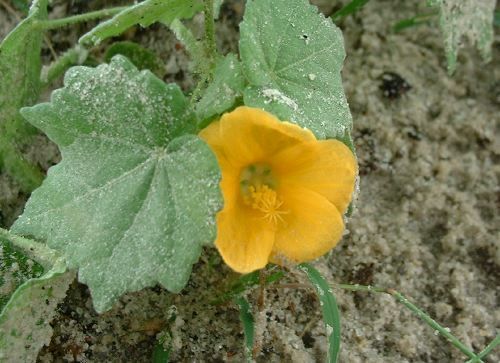
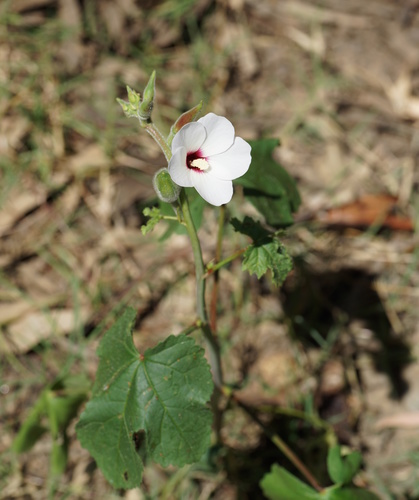
Malva meluca is a ANNUAL growing to 1.2 m (4ft). The species is hermaphrodite (has both male and female organs) and is pollinated by Insects. Suitable for: light (sandy), medium (loamy) and heavy (clay) soils and prefers well-drained soil. Suitable pH: mildly acid, neutral and basic (mildly alkaline) soils. It can grow in semi-shade (light woodland) or no shade. It prefers moist soil.
How to Grow
A very easily grown plant, succeeding in ordinary garden soil, though it prefers a reasonably well-drained and moderately fertile soil in a sunny position. This species has been cultivated for the fibre contained in its stems. This species is considered to be no more than a form of M. verticillata by some botanists. Plants seem to be immune to the predations of rabbits. Prone to infestation by rust fungus.
Propagation: Seed - sow early spring in situ. Germination should take place within 2 weeks.
Other Uses
Dye Fibre OilA fibre obtained from the stems is a jute substitute. The seed contains up to 20% oil, it is used for making soap. Cream, yellow and green dyes can be obtained from the plant and the seed heads.