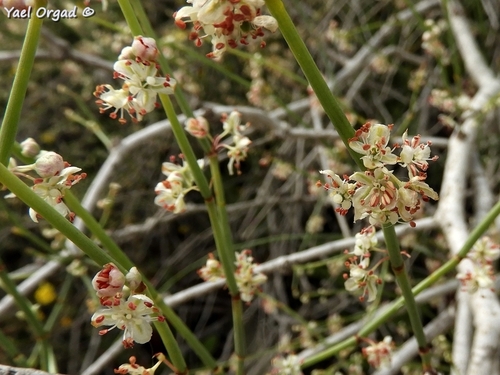
Polygonum hydropiper
L.
Smartweed, Marshpepper knotweed

Yiching Lin

Yiching Lin

Yiching Lin
What to Eat
Edible parts: Leaves, Seed
Rutin. Leaves and stems - raw or cooked. They can also be made into an acid peppery condiment. They are very hot. The leaves contain about 7.5% protein, 1.9% fat, 8% carbohydrate, 2% ash. The leaves are said to contain rutin. Seed - raw or cooked. It is rather small and fiddly to utilize. The seed is used as a condiment - a pepper substitute. The sprouted seeds or young seedlings can be used as a garnish or added to salads, they are commonly sold in Japanese markets. They are very hot.
Known Hazards
Where to Find It
Europe, including Britain, from Norway south and east to N. Africa and temperate Asia.
Coming Soon
How to Identify
Polygonum hydropiper is a ANNUAL growing to 0.8 m (2ft 7in). It is in flower from July to September. The species is hermaphrodite (has both male and female organs). The plant is self-fertile. Suitable for: light (sandy), medium (loamy) and heavy (clay) soils. Suitable pH: mildly acid, neutral and basic (mildly alkaline) soils. It cannot grow in the shade. It prefers wet soil and can grow in water.
How to Grow
A water plant, growing in shallow water or wet soils. Succeeds in most soils if they are wet and dislikes shade. Smartweed is cultivated for its edible leaves in Japan, the variety 'Fastigiatum' (syn P. maximowiczii) is the form normally used. Plants seem to be immune to the predations of rabbits.
Propagation: Seed - sow spring in a pot standing in water or in situ. Germination is usually free and easy. When they are large enough to handle, prick the seedlings out into individual pots and plant them out in the summer if they have reached sufficient size. If not, overwinter them in a cold frame and plant them out the following spring after the last expected frosts.
Medicinal Uses
Antiinflammatory Astringent Carminative Contraceptive Diaphoretic Diuretic Emmenagogue Homeopathy Stimulant Stomachic Styptic. Smartweed has a long history of herbal use, both in Eastern and Western herbalism. It is not used very often, and is seen more as a domestic remedy being valued especially for its astringent properties which makes it useful in treating bleeding, skin problems, diarrhoea etc. The leaves are anti-inflammatory, astringent, carminative, diaphoretic, diuretic, emmenagogue, stimulant, stomachic, styptic. They contain rutin, which helps strengthen fragile capillaries and thus helps prevent bleeding. Use with caution. The seed is carminative, diuretic and stimulant. The whole plant, either on its own or mixed with other herbs, is decocted and used in the treatment of a wide range of ailments including diarrhoea, dyspepsia, itching skin, excessive menstrual bleeding and haemorrhoids. A poultice of the plant is used in treating swollen and inflamed areas. In Chinese tests, the plant was ranked 20th in a survey of 250 potential antifertility drugs. A homeopathic remedy is made from the leaves. It is used in the treatment of piles, menstrual pains and other menstrual complaints.
Other Uses
DyeA yellow-gold dye is obtained from the stalks.