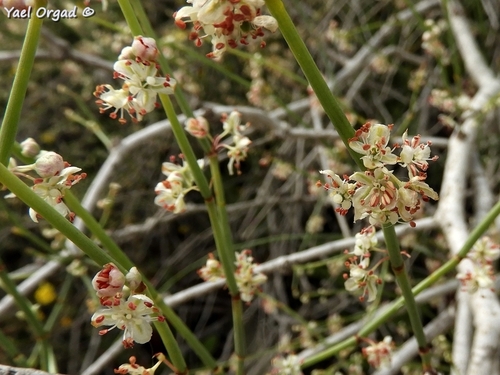
Polygonum molle
D.Don.

nheather

carl_farmer

carl_farmer
What to Eat
Edible parts: Leaves, Seed, Shoots
Young shoots - raw or cooked as a vegetable. Pleasantly acid, they are used like rhubarb. Seed - raw or cooked. It is rather small and fiddly to utilize.
Known Hazards
Where to Find It
E. Asia - Himalayas from Uttar Pradesh to S.W. China.
TEMPERATE ASIA: China (Guangxi Zhuangzu Zizhiqu, Guizhou Sheng, Xizang Zizhiqu, Yunnan Sheng) TROPICAL ASIA: Bhutan, India (Sikkim, Assam, Uttar Pradesh), Sri Lanka, Nepal, Myanmar (north), Thailand (north), Indonesia (Jawa, Sumatera), Malaysia (Malaya)
How to Identify
Polygonum molle is a PERENNIAL growing to 2.5 m (8ft 2in) at a fast rate. See above for USDA hardiness. It is hardy to UK zone 7. It is in flower in July, and the seeds ripen from August to October. The species is hermaphrodite (has both male and female organs) and is pollinated by Insects. Suitable for: light (sandy), medium (loamy) and heavy (clay) soils. Suitable pH: mildly acid, neutral and basic (mildly alkaline) soils. It can grow in semi-shade (light woodland) or no shade. It prefers moist soil.
How to Grow
Succeeds in an ordinary garden soil but prefers a moisture retentive not too fertile soil in sun or part shade. Repays generous treatment. A very fast growing plant. Plants seem to be immune to the predations of rabbits.
Propagation: Seed - sow spring in a cold frame. Germination is usually free and easy. When they are large enough to handle, prick the seedlings out into individual pots and plant them out in the summer if they have reached sufficient size. If not, overwinter them in a cold frame and plant them out the following spring after the last expected frosts. Division in spring or autumn. Very easy, larger divisions can be planted out direct into their permanent positions. We have found that it is better to pot up the smaller divisions and grow them on in light shade in a cold frame until they are well established before planting them out in late spring or early summer.
Medicinal Uses
Astringent. The whole plant is astringent.
Other Uses
Soil stabilization. Plants are very fast growing and are used to reclothe and stabilize land slips. They are best spaced about 1.2 metres apart each way.