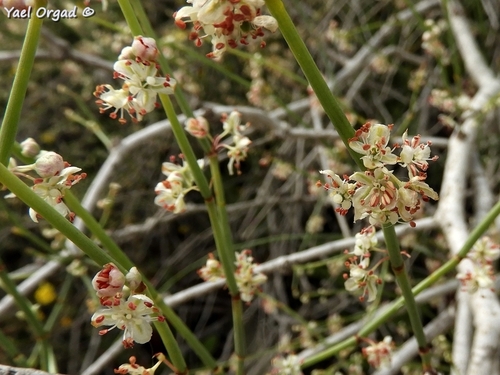
Polygonum orientale
L.
Prince's Feather, Kiss me over the garden gate

GBIF

GBIF
What to Eat
Edible parts: Leaves, Seed, Shoots
Young shoots - cooked. The young shoots are a standard vegetable in Indo-China. Seed - cooked. The seed is rather small and fiddly to utilize.
Known Hazards
Where to Find It
E. Asia - China to the Himalayas.
TEMPERATE ASIA: Iran, Russian Federation (Kurile Islands, Primorye), China (Anhui Sheng, Fujian Sheng, Gansu Sheng, Guangdong Sheng, Guangxi Zhuangzu Zizhiqu, Guizhou Sheng, Hainan Sheng, Hebei Sheng, Heilongjiang Sheng, Henan Sheng, Hubei Sheng, Hunan Sheng, Jiangsu Sheng, Jiangxi Sheng, Jilin Sheng, Liaoning Sheng, Nei Mongol Zizhiqu, Ningxia Huizi Zizhiqu, Qinghai Sheng, Shaanxi Sheng, Shandong Sheng, Shanxi Sheng, Sichuan Sheng, Xinjiang Uygur Zizhiqu, Yunnan Sheng, Zhejiang Sheng), Korea, Japan (Hokkaidô, Honshu, Kyushu, Ryukyu Islands, Shikoku), Taiwan TROPICAL ASIA: Bangladesh, Bhutan, India (north), Sri Lanka, Myanmar, Thailand, Vietnam, Indonesia, Malaysia, Philippines AUSTRALASIA: Australia (New South Wales, Queensland, Northern Territory)
How to Identify
Polygonum orientale is a ANNUAL growing to 1.5 m (5ft). It is in flower from August to October, and the seeds ripen from September to November. The species is hermaphrodite (has both male and female organs) and is pollinated by Insects. Suitable for: light (sandy), medium (loamy) and heavy (clay) soils. Suitable pH: mildly acid, neutral and basic (mildly alkaline) soils. It can grow in semi-shade (light woodland) or no shade. It prefers moist soil.
How to Grow
Succeeds in an ordinary garden soil but prefers a moisture retentive not too fertile soil in sun or part shade. Repays generous treatment. Plants are not very hardy in Britain but can be grown as a half-hardy annual. Plants seem to be immune to the predations of rabbits.
Propagation: Seed - sow spring in a cold frame. Germination is usually free and easy. When they are large enough to handle, prick the seedlings out into individual pots and plant them out in the summer if they have reached sufficient size. If not, overwinter them in a cold frame and plant them out the following spring after the last expected frosts.
Medicinal Uses
Anticoagulant Cancer Carminative Febrifuge Tonic Vulnerary. The plant is a good tonic and vulnerary. The flowers are said to thin the blood, remove obstructions and ease pain. The leafy stems are used in the treatment of hernias. A decoction of the ripe fruits is used in the treatment of hepatitis, sloughing ulcers, tympanites and cancer. The seed is said to relieve flatulence, fevers and thirst, brighten the eyes and benefit the breath.