Meconopsis grandis
Prain.
Blue Poppy

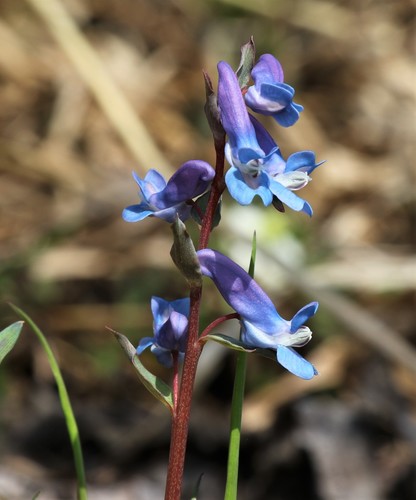
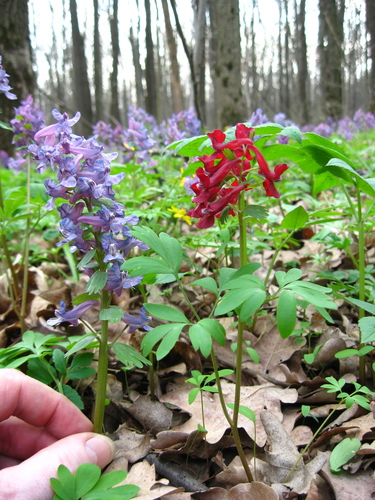
(c) Elizabeth Byers, some rights reserved (CC BY-NC), uploaded by Elizabeth Byers

(c) Elizabeth Byers, some rights reserved (CC BY-NC), uploaded by Elizabeth Byers

(c) Elizabeth Byers, some rights reserved (CC BY-NC), uploaded by Elizabeth Byers
What to Eat
Edible parts: Seed
Seed - roasted and pickled.
Where to Find It
E. Asia - Himalayas to China, Nepal and Tibet.
TEMPERATE ASIA: China (Xizang Zizhiqu (south)) TROPICAL ASIA: Bhutan, India (Sikkim), Nepal, Myanmar (north)
How to Identify
Meconopsis grandis is a PERENNIAL growing to 1 m (3ft 3in) by 1 m (3ft 3in). See above for USDA hardiness. It is hardy to UK zone 5. It is in flower in June, and the seeds ripen in August. The species is hermaphrodite (has both male and female organs). Suitable for: light (sandy), medium (loamy) and heavy (clay) soils and prefers well-drained soil. Suitable pH: mildly acid and neutral soils. It can grow in semi-shade (light woodland). It prefers moist soil.
How to Grow
Grows best in a woodland soil in partial shade. The soil should be lime-free, moist, well-drained and moderately rich. Dislikes full sun and windy positions. Plants are best divided every three years in order to maintain their vigour.
Propagation: Seed - best sown in a cold frame as soon as it is ripe in late summer. Spring sown seed is slower to germinate. When they are large enough to handle, prick the seedlings out into individual pots and plant them out in the summer. Division in spring or autumn. Some growers prefer to divide the plant immediately after flowering.