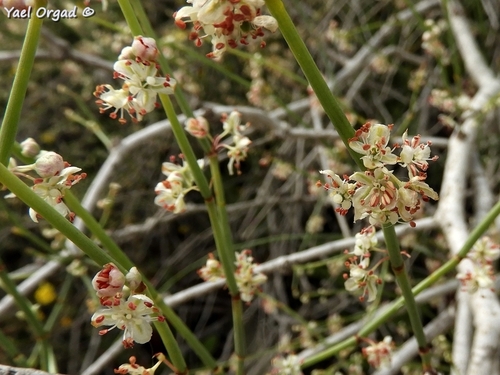
Polygonum pubescens
Blume.

Ingrid P. Lin
What to Eat
Edible parts: Leaves, Seed
Leaves - raw or cooked. Used as a potherb and as a seasoning. Seed - raw or cooked. It is rather small and fiddly to utilize.
Known Hazards
Where to Find It
E. Asia - China, Japan.
TEMPERATE ASIA: China (Anhui Sheng, Fujian Sheng, Gansu Sheng, Guangdong Sheng, Guangxi Zhuangzu Zizhiqu, Guizhou Sheng, Hainan Sheng, Henan Sheng, Hubei Sheng, Hunan Sheng, Jiangsu Sheng, Jiangxi Sheng, Liaoning Sheng, Shaanxi Sheng, Shandong Sheng, Sichuan Sheng, Yunnan Sheng, Zhejiang Sheng), Korea, Japan (Honshu, Kyushu, Ryukyu Islands, Shikoku), Taiwan TROPICAL ASIA: Bhutan, India, Indonesia
How to Identify
Polygonum pubescens is a ANNUAL growing to 0.6 m (2ft). It is in flower from August to September, and the seeds ripen from September to October. The species is hermaphrodite (has both male and female organs). Suitable for: light (sandy), medium (loamy) and heavy (clay) soils. Suitable pH: mildly acid, neutral and basic (mildly alkaline) soils. It can grow in semi-shade (light woodland) or no shade. It prefers moist or wet soil.
How to Grow
We have very little information on this species and do not know if it is hardy in Britain, though judging by its native range it should succeed outdoors in most parts of the country. The following notes are based on the general needs of the genus. Succeeds in an ordinary garden soil but prefers a moisture retentive not too fertile soil in sun or part shade. Repays generous treatment. Plants seem to be immune to the predations of rabbits.
Propagation: Seed - sow spring in a cold frame. Germination is usually free and easy. When they are large enough to handle, prick the seedlings out into individual pots and plant them out in the summer if they have reached sufficient size. If not, overwinter them in a cold frame and plant them out the following spring after the last expected frosts.