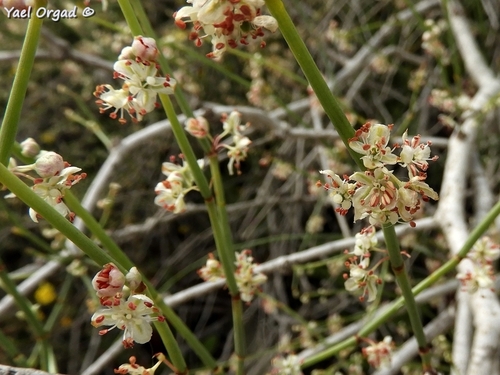
Polygonum tinctorium
Aiton.

Royal Botanic Gardens, Kew

Royal Botanic Gardens, Kew

Royal Botanic Gardens, Kew
What to Eat
Edible parts: Leaves, Seed
Young plant - cooked. Seed - raw or cooked. It is rather small and fiddly to utilize.
Known Hazards
Where to Find It
E. Europe to E. Asia.
TEMPERATE ASIA: China (Guangdong Sheng, Guangxi Zhuangzu Zizhiqu, Hebei Sheng, Hubei Sheng, Jiangsu Sheng, Liaoning Sheng, Shaanxi Sheng, Shandong Sheng, Shanxi Sheng, Sichuan Sheng)
How to Identify
Polygonum tinctorium is a ANNUAL growing to 0.8 m (2ft 6in). It is frost tender. It is in flower from July to August, and the seeds ripen from September to November. The species is hermaphrodite (has both male and female organs) and is pollinated by Insects. Suitable for: light (sandy), medium (loamy) and heavy (clay) soils. Suitable pH: mildly acid, neutral and basic (mildly alkaline) soils. It cannot grow in the shade. It prefers moist soil.
How to Grow
Succeeds in an ordinary garden soil but prefers a moisture retentive not too fertile soil in sun or part shade. Requires full sun and a fertile soil. Prefers hot humid climates. A frost tender plant, it can be grown as a half-hardy annual in Britain. This plant used to be cultivated as a dye plant. Plants seem to be immune to the predations of rabbits.
Propagation: Seed - sow spring in a cold frame. Germination is usually free and easy. When they are large enough to handle, prick the seedlings out into individual pots and plant them out in the summer if they have reached sufficient size. If not, overwinter them in a cold frame and plant them out the following spring after the last expected frosts.
Medicinal Uses
Antidote Antiinflammatory Antiphlogistic Antipyretic Depurative Febrifuge. The stems and the leaves are antidote, anti-inflammatory, antiphlogistic, antipyretic and depurative. Their use increases the phagocytosis of white blood cells and decreases the permeability of the capillaries. The indigo pigment in the leaves is used. It is used in the treatment of freckles, pimples, erysipelas, mumps, thrush, epidemic protitis, infantile convulsions and high febrile conditions of children. The leaves and fruits are used in Korea to help protect the liver and to treat burns and food poisoning caused by eating fish. The fruits are antidote and febrifuge. The plant is anti-inflammatory.
Other Uses
DyeA blue dye is obtained from the leaves of this plant. The leaves produce about 4 - 5% indigo by hydrolysis and acidification.