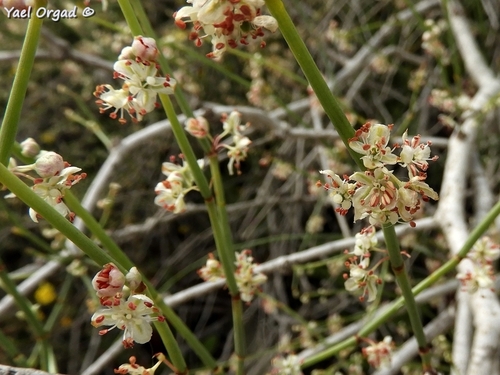
Rumex arifolius
All.
Maiden Sorrel

(c) ahmedm, some rights reserved (CC BY-NC), uploaded by ahmedm

no rights reserved, uploaded by Aaron Iemma

(c) Alenka Mihoric, some rights reserved (CC BY-NC), uploaded by Alenka Mihoric
What to Eat
Edible parts: Leaves
Leaves - raw or cooked. They can be added to salads or cooked as a potherb.
Known Hazards
Where to Find It
S. Europe.
TEMPERATE ASIA: Russian Federation-Ciscaucasia (Ciscaucasia), Azerbaijan, Georgia, Russian Federation (Dagestan), Russian Federation (Buryatia, Gorno-Altay, Yakutia-Sakha, Altay, Krasnoyarsk, Irkutsk, Kemerovskaja oblast, Tyumen), Russian Federation (Kamcatskij kraj, Sakhalin) NORTHERN AMERICA: Canada (Northwest Territories, Yukon, Alberta, British Columbia), United States (Montana, Wyoming, Alaska), Greenland EUROPE: Finland, Norway, Sweden, Austria, Switzerland, Czech Republic, Germany, Poland (south), Slovakia, Russian Federation (Komi, Arkhangelsk, Neneckij avtonomnyj okrug, Murmansk), Ukraine (west), Bulgaria, Bosnia and Herzegovina, Greece, Croatia, North Macedonia, Montenegro, Romania, Serbia, Slovenia, Spain (northeast), France (s., e., & Corsica)
How to Identify
Rumex arifolius is a PERENNIAL growing to 1.2 m (4ft). The species is dioecious (individual flowers are either male or female, but only one sex is to be found on any one plant so both male and female plants must be grown if seed is required). and is pollinated by Wind. Suitable for: light (sandy), medium (loamy) and heavy (clay) soils and prefers well-drained soil. Suitable pH: mildly acid, neutral and basic (mildly alkaline) soils. It can grow in semi-shade (light woodland) or no shade. It prefers moist soil.
How to Grow
We have very little information on this species and do not know if it will be hardy in Britain, though judging by its native range it should succeed outdoors in most parts of this country. The following notes are based on the general needs of the genus. Succeeds in most soils but prefers a deep fertile moderately heavy soil that is humus-rich, moisture-retentive but well-drained and a position in full-sun or part shade. Dioecious, male and female plants must be grown if seed is required.
Propagation: Seed - sow spring in a cold frame. When they are large enough to handle, prick the seedlings out into individual pots and plant them out in the summer. Division in spring.
Other Uses
Dye. Although no specific mention has been made for this species, dark green to brown and dark grey dyes can be obtained from the roots of many species in this genus, They do not need a mordant.