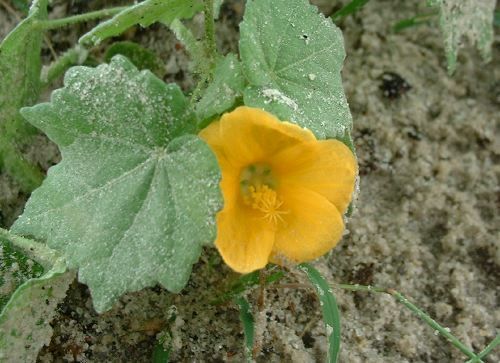
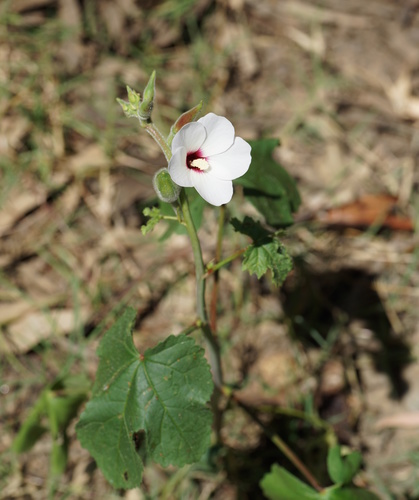
Grewia pilosa
Roxb. ?Lam.
Karanto
MalvaceaeLeaves

wikimedia · cc-by-sa
Wikimedia Commons - J.M.Garg
Wikimedia Commons - J.M.Garg

wikimedia · cc-by-sa
Wikimedia Commons - J.M.Garg
Wikimedia Commons - J.M.Garg
What to Eat
Edible parts: Leaves
The leaves are eaten.
Where to Find It
It is a tropical plant.
Africa, Asia, India,
Countries: United Arab Emirates, Afghanistan, Armenia, Angola, Azerbaijan, Bangladesh, Burkina Faso, Bahrain, Burundi, Benin, Brunei, Bhutan, Botswana, Congo (DRC), Central African Republic, Congo (Republic), Cote d'Ivoire, Cameroon, China, Cape Verde, Djibouti, Algeria, Egypt, Eritrea, Ethiopia, Gabon, Georgia, Ghana, Gambia, Guinea, Equatorial Guinea, Guinea-Bissau, Indonesia, Israel, India, Iraq, Iran, Jordan, Japan, Kenya, Kyrgyzstan, Cambodia, Comoros, North Korea, South Korea, Kuwait, Kazakhstan, Laos, Lebanon, Sri Lanka, Liberia, Lesotho, Libya, Morocco, Madagascar, Mali, Myanmar, Mongolia, Mauritania, Mauritius, Maldives, Malawi, Malaysia, Mozambique, Namibia, Niger, Nigeria, Nepal, Oman, Philippines, Pakistan, Qatar, Rwanda, Saudi Arabia, Seychelles, Sudan, Singapore, Sierra Leone, Senegal, Somalia, South Sudan, Sao Tome & Principe, Syria, Eswatini, Chad, Togo, Thailand, Tajikistan, Timor-Leste, Turkmenistan, Tunisia, Turkey, Taiwan, Tanzania, Uganda, Uzbekistan, Vietnam, Yemen, South Africa, Zambia, Zimbabwe
How to Identify
A tropical shrub in the Malvaceae family, also known as Karanto, with leaves used as food.
Notes
There are about 200 Grewia species. They are mostly tropical. The fruit of most may be edible. These were in the Sparrmanniaceae and the Tiliaceae. Depending on the authority, one is a synonym of Grewia hirsuta and the other is a synonym of Grewia flavescens.
Names & Synonyms
Grewia hirsuta Roxb.
References (2)
- GAMMIE,
- Hedrick, U.P., 1919, (Ed.), Sturtevant's edible plants of the world. p 333