Grewia truncata
Mast.

iNaturalist · cc-by-nc
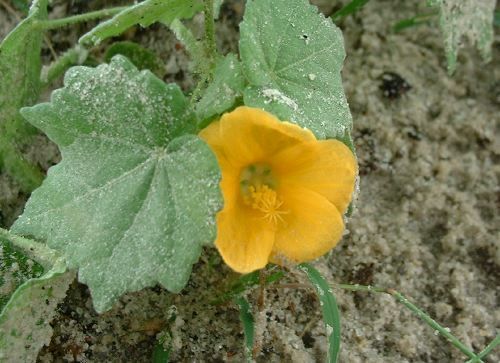
(c) Sergio Chozas, some rights reserved (CC BY-NC), uploaded by Sergio Chozas
(c) Sergio Chozas, some rights reserved (CC BY-NC), uploaded by Sergio Chozas

iNaturalist · cc-by-nc
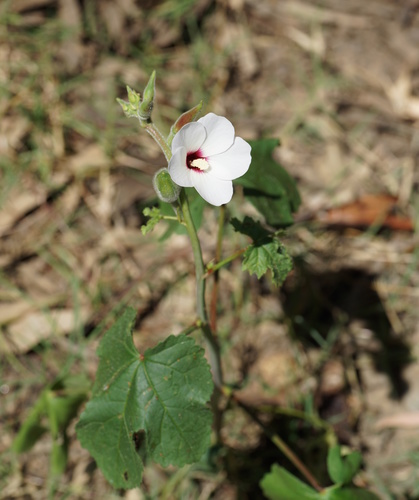
(c) Sergio Chozas, some rights reserved (CC BY-NC)
(c) Sergio Chozas, some rights reserved (CC BY-NC)
What to Eat
Edible parts: Leaves, Fruit
Both the leaves and fruit are edible.
Where to Find It
A tropical plant. It grows near rivers.
Africa, East Africa, Kenya, Malawi, Mozambique, Somalia, Tanzania,
Countries: Angola, Burkina Faso, Burundi, Benin, Botswana, Congo (DRC), Central African Republic, Congo (Republic), Cote d'Ivoire, Cameroon, Cape Verde, Djibouti, Algeria, Egypt, Eritrea, Ethiopia, Gabon, Ghana, Gambia, Guinea, Equatorial Guinea, Guinea-Bissau, Kenya, Comoros, Liberia, Lesotho, Libya, Morocco, Madagascar, Mali, Mauritania, Mauritius, Malawi, Mozambique, Namibia, Niger, Nigeria, Rwanda, Seychelles, Sudan, Sierra Leone, Senegal, Somalia, South Sudan, Sao Tome & Principe, Eswatini, Chad, Togo, Tunisia, Tanzania, Uganda, South Africa, Zambia, Zimbabwe
How to Identify
A shrub or small tree. It grows 6 m tall. The leaves are 4-8 cm long by 3-10 cm wide. They can be notched at the tip and have teeth along the edge. The base is rounded and often unequal. The flowers are on stalks opposite the leaves with 3-9 flowers in a group. They are white. The fruit have 4 deep lobes. They are 1.5 cm across.
Notes
There are about 200 Grewia species. They are mostly tropical. The fruit of most may be edible. These were in the Sparrmanniaceae and the Tiliaceae.
Names & Synonyms
Grewia nodisepala K. Schum.Grewia retusa Chiov.
References (3)
- Jardin, C., 1970, List of Foods Used In Africa, FAO Nutrition Information Document Series No 2.p 79 (As Grewia retusa)
- Martin, F.W. & Ruberte, R.M., 1979, Edible Leaves of the Tropics. Antillian College Press, Mayaguez, Puerto Rico. p 221 (As Grewia retusa)
- Mutie, F. M., et al, 2023, Important Medicinal and Food Taxa (Orders and Families) in Kenya, Based on Three Quantitative Approaches. Plants 2023, 12, 1145