Panellus serotinus
(Schrad. ex fr.) Kuhn
Green oyster
TricholomataceaeMushrooms
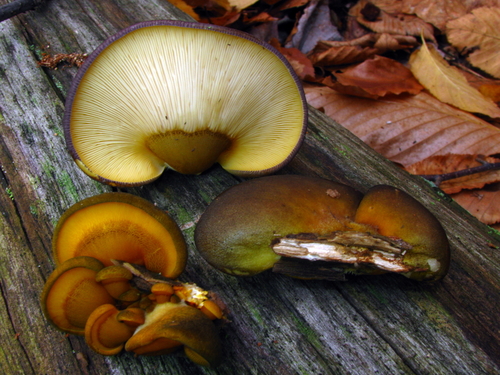
iNaturalist · cc-by-nc
(c) shroomydan, some rights reserved (CC BY-NC)
(c) shroomydan, some rights reserved (CC BY-NC)
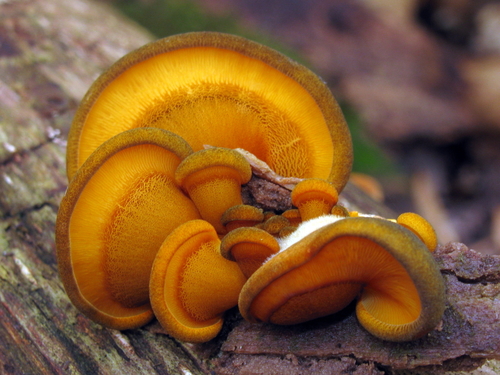
iNaturalist · cc-by-nc
(c) shroomydan, some rights reserved (CC BY-NC)
(c) shroomydan, some rights reserved (CC BY-NC)
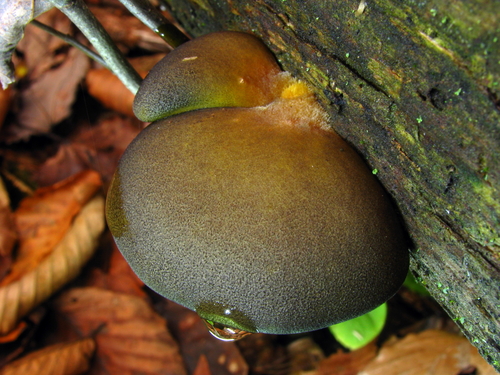
iNaturalist · cc-by-nc
(c) shroomydan, some rights reserved (CC BY-NC)
(c) shroomydan, some rights reserved (CC BY-NC)
What to Eat
Edible parts: Fungus, Mushroom
The fungal fruiting body (mushroom) is edible.
Where to Find It
It is a temperate plant.
Asia, China, Hong Kong, Japan, North America, Russia,
Countries: United Arab Emirates, Afghanistan, Antigua & Barbuda, Armenia, Azerbaijan, Barbados, Bangladesh, Bahrain, Brunei, Bahamas, Bhutan, Belize, Canada, China, Costa Rica, Cuba, Dominica, Dominican Republic, Grenada, Georgia, Guatemala, Honduras, Haiti, Indonesia, Israel, India, Iraq, Iran, Jamaica, Jordan, Japan, Kyrgyzstan, Cambodia, St Kitts & Nevis, North Korea, South Korea, Kuwait, Kazakhstan, Laos, Lebanon, St Lucia, Sri Lanka, Myanmar, Mongolia, Maldives, Mexico, Malaysia, Nicaragua, Nepal, Oman, Panama, Philippines, Pakistan, Puerto Rico, Qatar, Russia, Saudi Arabia, Singapore, El Salvador, Syria, Thailand, Tajikistan, Timor-Leste, Turkmenistan, Turkey, Trinidad & Tobago, Taiwan, United States, Uzbekistan, St Vincent, Vietnam, Yemen
How to Identify
Panellus serotinus, known as green oyster, is a temperate mushroom in the Tricholomataceae family.
Names & Synonyms
Pleurotus serotinus
References (4)
- Boa, E. R., 2004, Wild edible fungi and their importance to people. FAO Non Wood Forest Products Booklet 17
- Kaye, G.C., 1986, Wild and Exotic Mushroom Cultivation in North America
- Kiple, K.F. & Ornelas, K.C., (eds), 2000, The Cambridge World History of Food. CUP p 320
- Yokayama, 1975,


