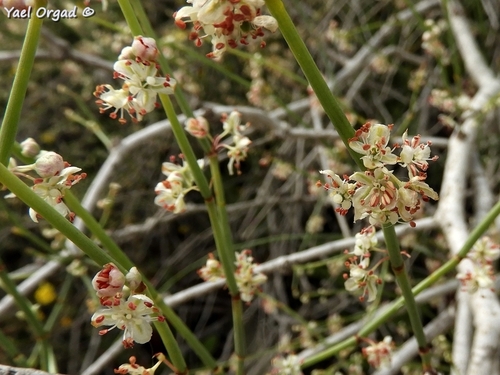
Polygonum senegalense
Meisn.

iNaturalist · cc-by-nc-sa
(c) Rob Palmer, some rights reserved (CC BY-NC-SA)
(c) Rob Palmer, some rights reserved (CC BY-NC-SA)

iNaturalist · cc-by-nc
(c) abcdefgewing, some rights reserved (CC BY-NC)
(c) abcdefgewing, some rights reserved (CC BY-NC)

iNaturalist · cc-by-nc
(c) abcdefgewing, some rights reserved (CC BY-NC)
(c) abcdefgewing, some rights reserved (CC BY-NC)
What to Eat
Edible parts: Leaves, Tuber, Root
The leaves, tubers, and roots are all edible.
Where to Find It
A tropical plant. It grows in water.
Africa, Burkina Faso, Central Africa, Congo, East Africa, Eritrea, Ethiopia, Gabon, Kenya, Malawi, Nigeria, Senegal, Somalia, West Africa, Zambia,
Countries: Angola, Burkina Faso, Burundi, Benin, Botswana, Congo (DRC), Central African Republic, Congo (Republic), Cote d'Ivoire, Cameroon, Cape Verde, Djibouti, Algeria, Egypt, Eritrea, Ethiopia, Gabon, Ghana, Gambia, Guinea, Equatorial Guinea, Guinea-Bissau, Kenya, Comoros, Liberia, Lesotho, Libya, Morocco, Madagascar, Mali, Mauritania, Mauritius, Malawi, Mozambique, Namibia, Niger, Nigeria, Rwanda, Seychelles, Sudan, Sierra Leone, Senegal, Somalia, South Sudan, Sao Tome & Principe, Eswatini, Chad, Togo, Tunisia, Tanzania, Uganda, South Africa, Zambia, Zimbabwe
How to Identify
A plant which keeps growing from year to year. The stems are erect. It grows 1-1.2 m high. The leaves have leaf stalks. The lower leaves are 15-20 cm long. They are 4-5 cm wide. There are onion like tubers under the ground.
Notes
There are about 50 Polygonum species.
Names & Synonyms
Gumamilla, Nkonkho
Possibly now Persicaria seneglensePolygonum macrochaeton Fresen.Polygonum nodosum Pers.
References (11)
- Burkill, H. M., 1985, The useful plants of west tropical Africa, Vol. 4. Kew.
- Food Composition Tables for use in Africa FAO http://www.fao.org/infoods/directory No. 756
- Gallagher, D. E., 2010, Farming beyond the escarpment: Society, Environment, and Mobility in Precolonial Southeastern Burkina Faso. PhD University of Michigan.
- Grivetti, L. E., 1980, Agricultural development: present and potential role of edible wild plants. Part 2: Sub-Saharan Africa, Report to the Department of State Agency for International Development. p 45, 71
- Jardin, C., 1970, List of Foods Used In Africa, FAO Nutrition Information Document Series No 2.p 96
- Malaisse, F., 1997, Se nourrir en floret claire africaine. Approche ecologique et nutritionnelle. CTA., p 67
- Martin, F.W. & Ruberte, R.M., 1979, Edible Leaves of the Tropics. Antillian College Press, Mayaguez, Puerto Rico. p 214
- Molla, A., Ethiopian Plant Names. http://www.ethiopic.com/aplants.htm
- Monogr. Polyg. 54. 1826
- Terra, G.J.A., 1973, Tropical Vegetables. Communication 54e Royal Tropical Institute, Amsterdam, p 68
- Williamson, J., 2005, Useful Plants of Malawi. 3rd. Edition. Mdadzi Book Trust. p 205