Rumex graminifolius
Lamb.
Grass-leaf Sorrel

(c) Valentina Borodulina, some rights reserved (CC BY-NC), uploaded by Valentina Borodulina

(c) Alexander Yakovlev, some rights reserved (CC BY-NC)
What to Eat
Edible parts: Leaves
The leaves can be eaten raw.
Known Hazards
Where to Find It
It is a temperate plant.
Europe, North America, USA,
How to Identify
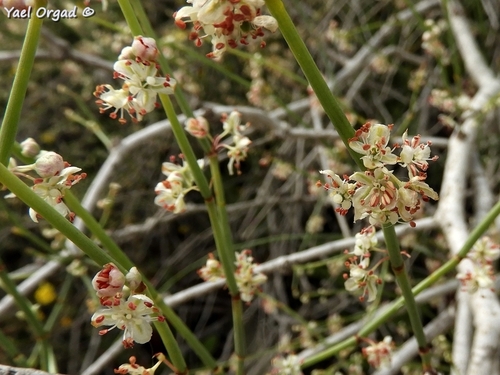
A short perennial reaching 0.1 m tall with a 0.5 m spread, featuring dioecious flowers requiring both male and female plants for seed production. Wind-pollinated and not self-fertile. Accommodates light sandy, medium loamy, or heavy clay soils with mildly acidic to basic pH. Grows in semi-shade to full sun and prefers moist conditions.
How to Grow
We have very little information on this species and do not know if it will be hardy in Britain, though judging by its native range it should succeed outdoors in most parts of this country. Dioecious, male and female plants must be grown if seed is required. The following notes are based on the general needs of the genus. Succeeds in most soils but prefers a deep fertile moderately heavy soil that is humus-rich, moisture-retentive but well-drained and a position in full-sun or part shade.
Propagation: Sow seed in spring in a cold frame. Once seedlings are large enough to handle, prick them out into individual pots and plant out during summer. Can also be propagated by division in spring.
Medicinal Uses
None known.
Other Uses
No dye data specific to this species has been recorded, but roots of many plants in this genus yield dark green to brown and dark grey dyes without the need for a mordant.
Wikipedia
Source ↗Rumex graminifolius, common name grassleaf sorrel, is a species of the genus Rumex and the knotweed family Polygonaceae.
Notes
There are about 200 Rumex species.
Names & Synonyms
References (1)
- Plants for a Future database, The Field, Penpol, Lostwithiel, Cornwall, PL22 0NG, UK. http://www.scs.leeds.ac.uk/pfaf/