Areca glandiformis
Lam.
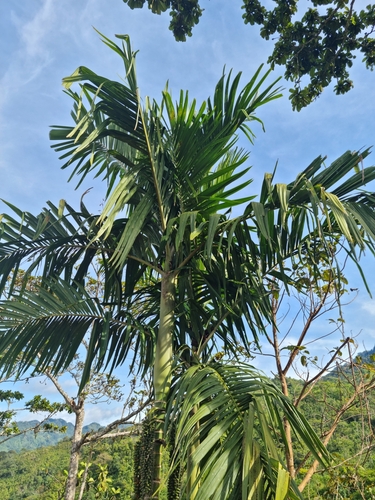
iNaturalist · cc-by-nc
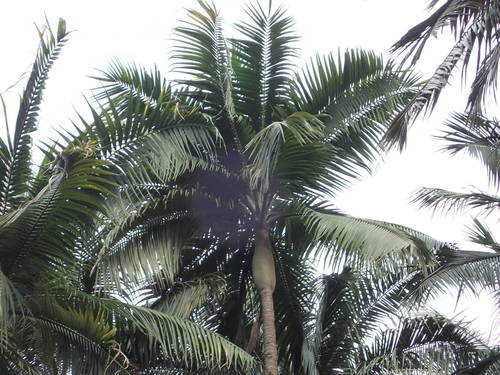
(c) Callum Blacklaw, some rights reserved (CC BY-NC)
(c) Callum Blacklaw, some rights reserved (CC BY-NC)
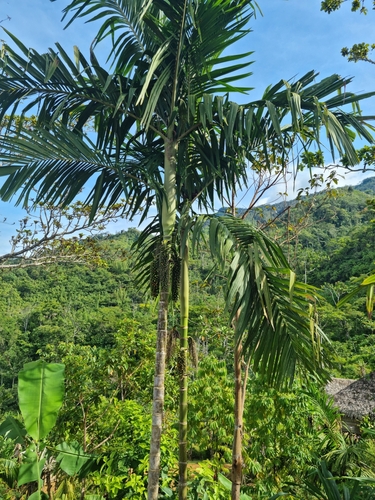
iNaturalist · cc-by-nc
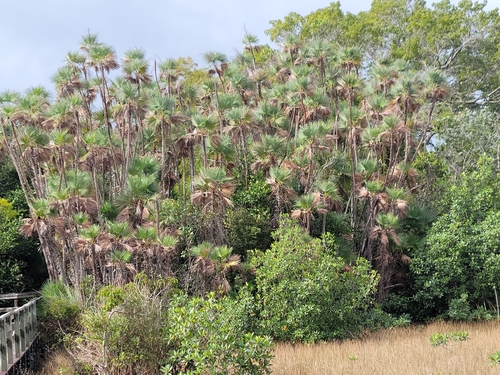
(c) Callum Blacklaw, some rights reserved (CC BY-NC)
(c) Callum Blacklaw, some rights reserved (CC BY-NC)

iNaturalist · cc-by-nc
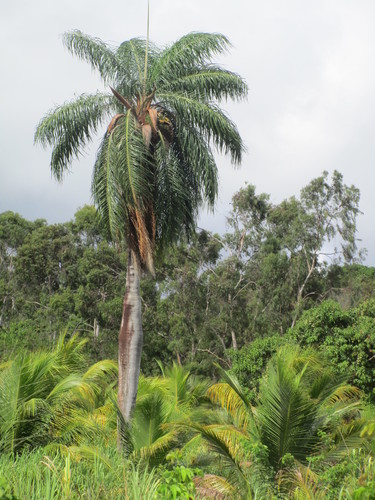
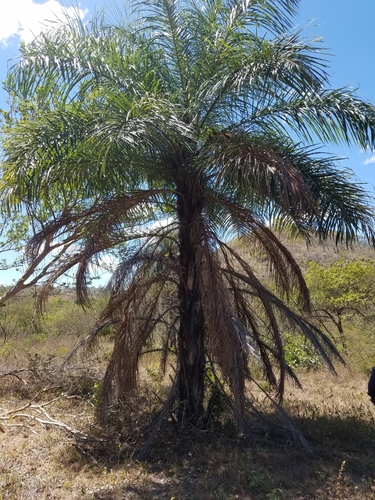
(c) Hakim, some rights reserved (CC BY-NC)
(c) Hakim, some rights reserved (CC BY-NC)
What to Eat
Edible parts: Nuts - masticatory
The nuts are chewed as a masticatory, similar to betel nut.
Known Hazards
Where to Find It
A tropical plant. In the Cairns Botanical Gardens.
Asia, Australia, Indonesia, Malaysia, SE Asia,
Countries: United Arab Emirates, Afghanistan, Armenia, Australia, Azerbaijan, Bangladesh, Bahrain, Brunei, Bhutan, China, Georgia, Indonesia, Israel, India, Iraq, Iran, Jordan, Japan, Kyrgyzstan, Cambodia, North Korea, South Korea, Kuwait, Kazakhstan, Laos, Lebanon, Sri Lanka, Myanmar, Mongolia, Maldives, Malaysia, Nepal, Oman, Philippines, Pakistan, Qatar, Saudi Arabia, Singapore, Syria, Thailand, Tajikistan, Timor-Leste, Turkmenistan, Turkey, Taiwan, Uzbekistan, Vietnam, Yemen
How to Identify
A tropical palm in the Arecaceae family, found in locations like the Cairns Botanical Gardens. The nuts are chewed like betel nut.
Wikipedia
Source ↗Areca glandiformis is a species of flowering plant in the family Arecaceae. It is found only in the Maluku Islands, Indonesia. It is threatened by habitat loss by increasing agriculture and forest management activities.
Notes
There are 60 Areca species. They are tropical.
References (4)
- Burkill, I.H., 1966, A Dictionary of the Economic Products of the Malay Peninsula. Ministry of Agriculture and Cooperatives, Kuala Lumpur, Malaysia. Vol 1 (A-H) p 231
- Encycl. 1:241. 1783
- Hedrick, U.P., 1919, (Ed.), Sturtevant's edible plants of the world. p 71
- Menninger, E.A., 1977, Edible Nuts of the World. Horticultural Books. Florida p 167