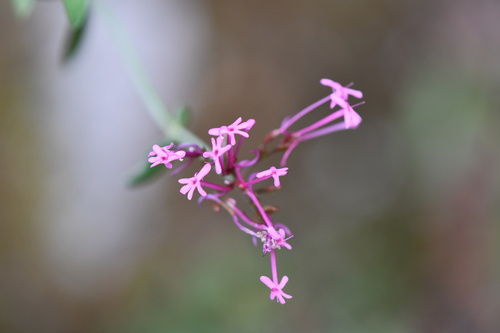
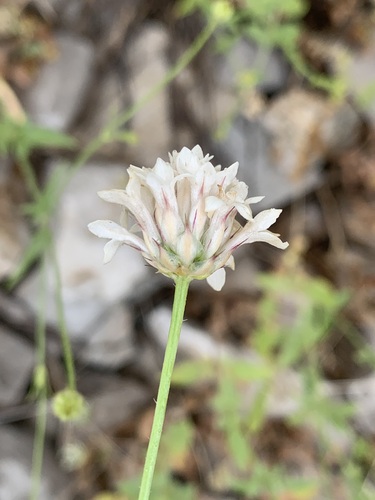
Valeriana capitata
Pall.
Valerian, Capitate Valerian, Clustered Valerian

(c) Paul Tavares, some rights reserved (CC BY-NC), uploaded by Paul Tavares
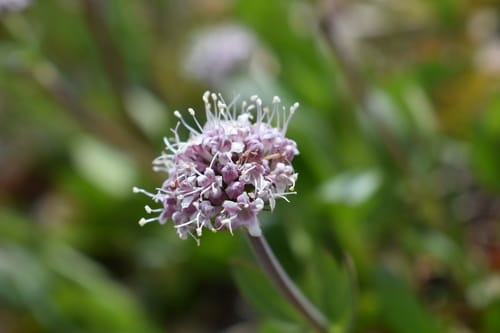
(c) John Powers, some rights reserved (CC BY)
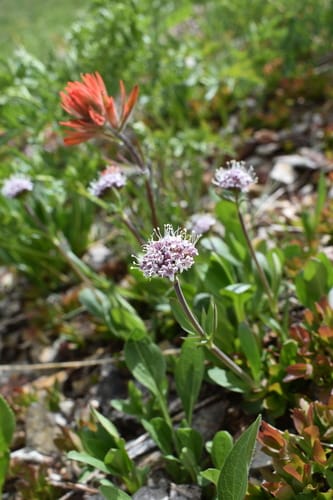
(c) John Powers, some rights reserved (CC BY)
What to Eat
Edible parts: Root, Seeds
Seeds can be parched and eaten. The root is prepared by steaming for 24 hours before eating.
Known Hazards
Where to Find It
It is a temperate plant.
North America, USA,
How to Identify
Valeriana capitata is a perennial growing to 0.6 m tall with hermaphrodite flowers pollinated by insects. It adapts to light sandy, medium loamy, and heavy clay soils with mildly acid, neutral, or mildly alkaline pH. The plant requires full sun and prefers moist or wet soil conditions.
How to Grow
Succeeds in ordinary garden soil. Judging by the plants native habitat, it should also succeed in wet soils.
Propagation: Sow seed in spring in a cold frame, barely covering it as light is needed for germination. Prick seedlings out into individual pots when large enough to handle, then plant out into permanent positions in summer if sufficient growth has been made; otherwise overwinter in a greenhouse or frame and plant out early the following summer. Divide in spring — larger divisions can go straight into permanent positions, while smaller ones are best potted up and grown on in light shade in a greenhouse or cold frame until established, then planted out in summer or the following spring.
Medicinal Uses
The whole plant, and particularly the root, is antispasmodic, carminative, diuretic, hypnotic, powerfully nervine, sedative and stimulant. Use with caution.
Other Uses
The dried root has been used as an incense.
Wikipedia
Valeriana capitata is a perennial growing to 0.6 m tall with hermaphrodite flowers pollinated by insects. It adapts to light sandy, medium loamy, and heavy clay soils with mildly acid, neutral, or mildly alkaline pH. The plant requires full sun and prefers moist or wet soil conditions.
Notes
Also put in the family Valerianaceae.
References (1)
- Plants for a Future database, The Field, Penpol, Lostwithiel, Cornwall, PL22 0NG, UK. http://www.scs.leeds.ac.uk/pfaf/