Cyanthillium patulum
(Aiton) H. Rob.
AsteraceaeLeaves
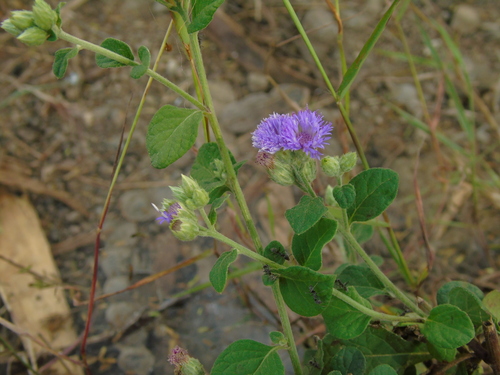
iNaturalist · cc-by-nc
(c) Hani Ristiawan, some rights reserved (CC BY-NC)
(c) Hani Ristiawan, some rights reserved (CC BY-NC)
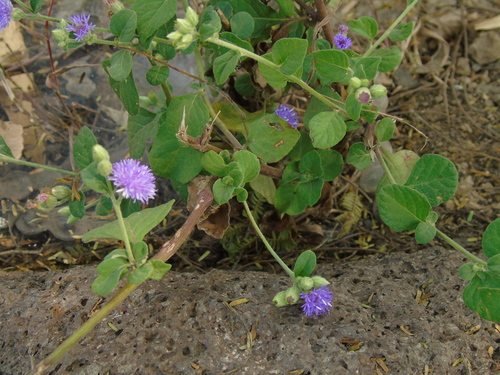
iNaturalist · cc-by-nc
(c) Hani Ristiawan, some rights reserved (CC BY-NC)
(c) Hani Ristiawan, some rights reserved (CC BY-NC)
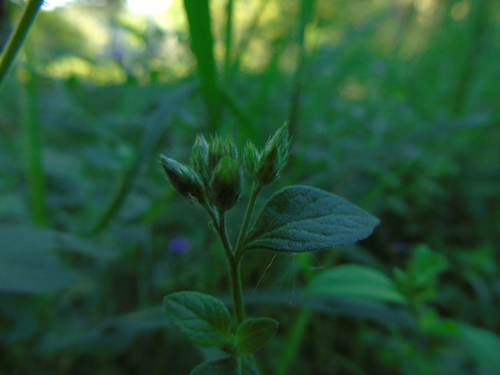
iNaturalist · cc-by-nc
(c) Hani Ristiawan, some rights reserved (CC BY-NC)
(c) Hani Ristiawan, some rights reserved (CC BY-NC)
What to Eat
Edible parts: Leaves, Vegetable
The leaves are eaten as a vegetable.
Where to Find It
A tropical plant. In Australia it occurs in the Northern Territory near Darwin. In the Philippines it has been recorded between 100-400 m above sea level.
Africa, Asia, Australia, Cambodia, China, India, Indochina, Indonesia, Laos, Madagascar, Malaysia, Myanmar, Papua New Guinea, PNG, Philippines, SE Asia, Taiwan, Thailand, Vietnam,
Countries: United Arab Emirates, Afghanistan, Armenia, Angola, Australia, Azerbaijan, Bangladesh, Burkina Faso, Bahrain, Burundi, Benin, Brunei, Bhutan, Botswana, Congo (DRC), Central African Republic, Congo (Republic), Cote d'Ivoire, Cameroon, China, Cape Verde, Djibouti, Algeria, Egypt, Eritrea, Ethiopia, Gabon, Georgia, Ghana, Gambia, Guinea, Equatorial Guinea, Guinea-Bissau, Indonesia, Israel, India, Iraq, Iran, Jordan, Japan, Kenya, Kyrgyzstan, Cambodia, Comoros, North Korea, South Korea, Kuwait, Kazakhstan, Laos, Lebanon, Sri Lanka, Liberia, Lesotho, Libya, Morocco, Madagascar, Mali, Myanmar, Mongolia, Mauritania, Mauritius, Maldives, Malawi, Malaysia, Mozambique, Namibia, Niger, Nigeria, Nepal, Oman, Papua New Guinea, Philippines, Pakistan, Qatar, Rwanda, Saudi Arabia, Seychelles, Sudan, Singapore, Sierra Leone, Senegal, Somalia, South Sudan, Sao Tome & Principe, Syria, Eswatini, Chad, Togo, Thailand, Tajikistan, Timor-Leste, Turkmenistan, Tunisia, Turkey, Taiwan, Tanzania, Uganda, Uzbekistan, Vietnam, Yemen, South Africa, Zambia, Zimbabwe
How to Identify
A herb. It is a plant that grows each year from seeds. It grows 1-2 m tall. The stems are ribbed. The stems and leaves have T-shaped hairs. The leaves are 3-10 cm long by 2-5 cm wide. There can be teeth along the edge.
Other Information
It is a common weed in waste land.
Names & Synonyms
Centratherum chinense Less.Conyza patula AitonVernonia chinensis auct.Vernonia patula (Aiton) Merr.
References (8)
- GRIN
- Martin, F.W. & Ruberte, R.M., 1979, Edible Leaves of the Tropics. Antillian College Press, Mayaguez, Puerto Rico. p 186
- Philipp. J. Sci., C 3:439. 1908
- PROSEA (As Vernonia patula)
- Robinson, H. 1999. Generic and subtribal classification of American Vernonieae. Smithsonian Contr. Bot. 89:65.
- Terra, G.J.A., 1973, Tropical Vegetables. Communication 54e Royal Tropical Institute, Amsterdam, p 80
- Wiersema, J. H. & Leon, B., 2013, World Economic Plants. A Standard Reference CRC Press. 2nd Ed. p 222
- World Checklist of Useful Plant Species 2020. Royal Botanic Gardens, Kew