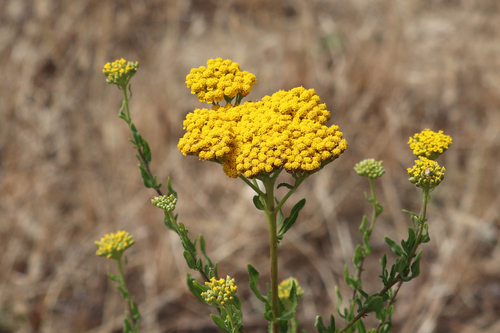
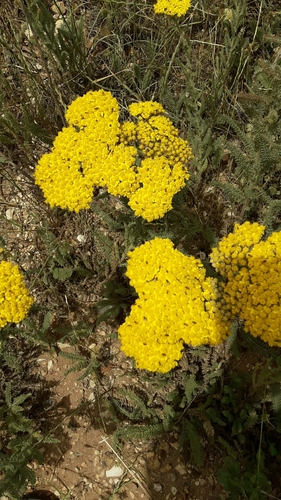
Viguiera multiflora
(Nutt.) S. F. Blake
Nevada Showy False Goldeneye, Showy Goldeneye
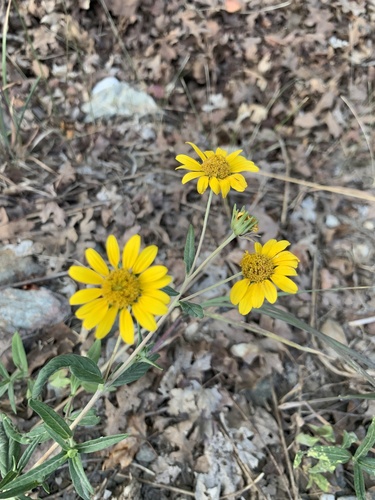
(c) Zach Earl, some rights reserved (CC BY)
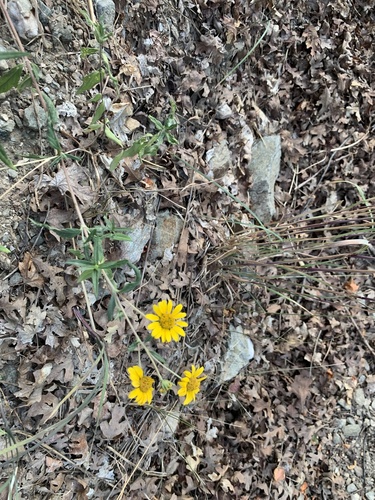
(c) Zach Earl, some rights reserved (CC BY)

(c) msmnificent, some rights reserved (CC BY-NC)
What to Eat
Edible parts: Seeds
The seeds are edible. No further details are available.
Where to Find It
A tropical plant. It suits hardiness zones 10-12.
Australia, Mexico, North America, USA,
How to Identify
A herb. It grows 75-100 cm high and spreads 75-100 cm wide. The leaves can have smooth edges or a few lobes. The leaves are narrowly oval to sword shaped. The flowers are yellow and daisy like.
How to Grow
Propagation: Sow seed in spring in a greenhouse. Once seedlings are large enough to handle, prick them out into individual pots and plant out after the last expected frosts.
Medicinal Uses
None known
Other Uses
None known Special Uses
Wikipedia
Source ↗Viguiera multiflora is a perennial growing to 1 m tall. Hardy to UK zone 10. Flowers from July to August. Hermaphroditic and insect-pollinated. Tolerates light sandy, medium loamy, and heavy clay soils with mildly acidic to basic pH. Requires full sun and prefers moist soil.
Notes
There are 150 Viguiera species. They are in the Americas.
References (4)
- Beckstrom-Sternberg, Stephen M., and James A. Duke. "The Foodplant Database." http://probe.nalusda.gov:8300/cgi-bin/browse/foodplantdb.(ACEDB version 4.0 - data version July 1994)
- Contr. Gray Herb. 54:108. 1918
- Cundall, P., (ed.), 2004, Gardening Australia: flora: the gardener's bible. ABC Books. p 1471
- Plants for a Future database, The Field, Penpol, Lostwithiel, Cornwall, PL22 0NG, UK. http://www.scs.leeds.ac.uk/pfaf/