Wyethia amplexicaulis
(Nutt.) Nutt.
Mulesears wyethia
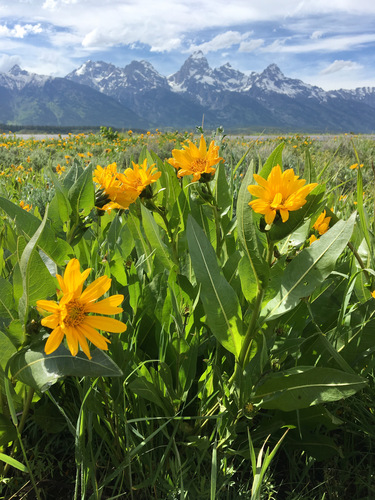
(c) ehappy, some rights reserved (CC BY-NC), uploaded by ehappy
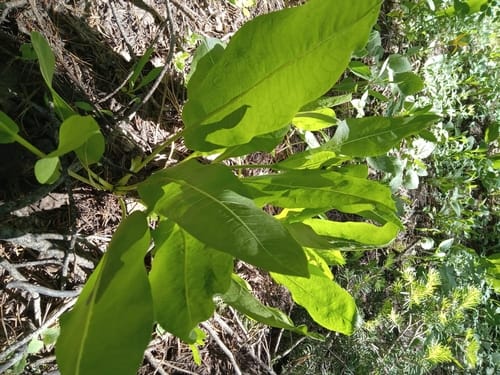
(c) Kristin Goodwin, some rights reserved (CC BY-NC)
What to Eat
Edible parts: Leaves, Root, Seeds
The root is eaten cooked. Native North American Indians prepared it by digging pits lined with large stones, burning a fire over the stones until they were hot, then placing the roots on the heated stones, sealing them in with fern leaves and earth, and leaving them to ferment for one to two days. Seeds are also edible, as are young shoots, though no further preparation details are given for either.
Where to Find It
It is a temperate plant.
North America, USA,
How to Identify
Perennial herb reaching 0.8 m tall, hardy to UK zone 5. Flowers July to August. Hermaphroditic and insect-pollinated. Thrives in light sandy to medium loamy, well-drained soils with mildly acid to basic pH. Requires full sun and moist soil conditions.
How to Grow
Requires a free-draining, gritty but moisture-retentive soil in a sunny position. Plants are intolerant of drought. Plants are considered to be a pest of grazing ground in N. America and large-scale eradication programmes are carried out.
Propagation: No specific information is available for this species, but seed is best sown in a greenhouse or cold frame in early spring using a very freely draining compost. Prick out seedlings into individual pots as soon as they are large enough to handle and plant into permanent positions once large enough. The crown can also be carefully divided as plants come into growth in spring.
Medicinal Uses
The roots are used externally as a poultice applied to bruised and swollen limbs.
Other Uses
None known.
Wikipedia
Source ↗Wyethia amplexicaulis is a common herbaceous perennial plant from the northwestern United States called northern wyethia, northern mule ears, or black sunflower. Because of its tendency to grow together in dense colonies and its large, showy flowering heads, it is a well-known western wildflower that is often photographed. The leaves are not very palatable to large herbivores including livestock.
Names & Synonyms
Aki
References (5)
- Beckstrom-Sternberg, Stephen M., and James A. Duke. "The Foodplant Database." http://probe.nalusda.gov:8300/cgi-bin/browse/foodplantdb.(ACEDB version 4.0 - data version July 1994)
- Coutre, M. D., et al, 1986, Foraging Behaviour of a Contemporary Northern Great Basin Population. Journal of California and Great Basin Anthropology Vol. 8(2) pp 150-160
- Moerman, D. F., 2010, Native American Ethnobotany. Timber Press. p 601
- Plants for a Future database, The Field, Penpol, Lostwithiel, Cornwall, PL22 0NG, UK. http://www.scs.leeds.ac.uk/pfaf/
- Trans. Amer. Philos. Soc. ser. 2, 7:352. 1840