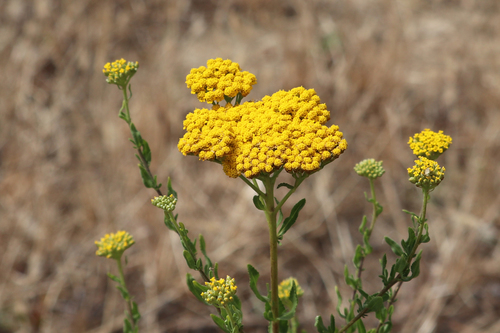
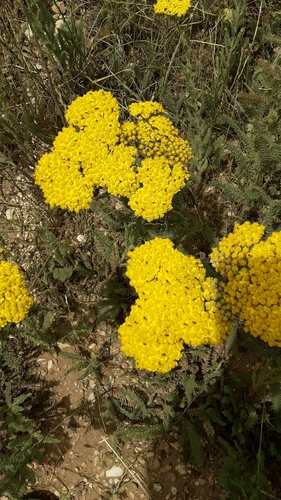
Youngia denticulata
(Houtt.) Kitam.

no rights reserved

no rights reserved
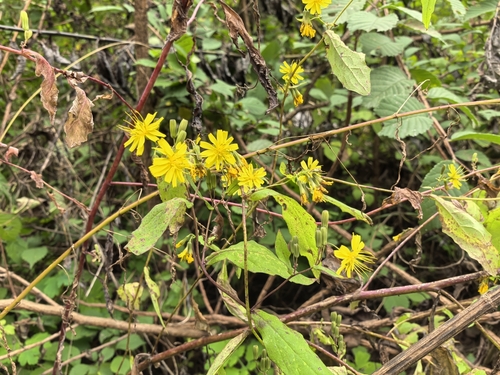
(c) xiongpinzhen, some rights reserved (CC BY-NC)
What to Eat
Edible parts: Leaves
Young leaves and stems can be eaten raw or cooked. They contain approximately 1.6% protein, 0.4% fat, 2.1% carbohydrate, and 0.8% ash.
Where to Find It
It is a temperate plant.
Asia, China, Japan, Korea,
How to Identify
Youngia denticulata is an annual to biennial plant reaching 0.6 m tall with hermaphroditic flowers pollinated by insects. It grows in light sandy and medium loamy, well-drained soils across mildly acidic to alkaline pH ranges. The plant tolerates semi-shade to full sun conditions and prefers consistently moist soil.
How to Grow
Propagation: Sow seed in middle to late spring directly in situ. If seed is limited, sow in a cold frame in April and plant out in late spring.
Medicinal Uses
The plant is used as a febrifuge and in the treatment of sore throats.
Other Uses
None known.
Wikipedia
Youngia denticulata is an annual to biennial plant reaching 0.6 m tall with hermaphroditic flowers pollinated by insects. It grows in light sandy and medium loamy, well-drained soils across mildly acidic to alkaline pH ranges. The plant tolerates semi-shade to full sun conditions and prefers consistently moist soil.
Names & Synonyms
Pan Pien Shan, Shui K'U Mai
References (1)
- Plants for a Future database, The Field, Penpol, Lostwithiel, Cornwall, PL22 0NG, UK. http://www.scs.leeds.ac.uk/pfaf/