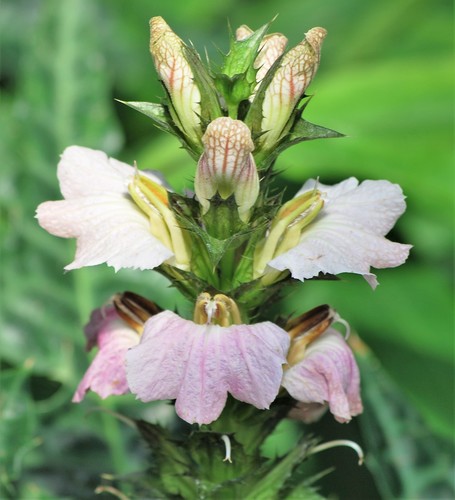
Justicia extensa
T. Anderson
AcanthaceaeLeaves
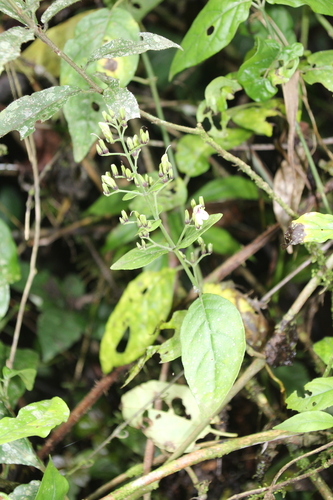
iNaturalist · cc0
no rights reserved, uploaded by Erwin Sieben
no rights reserved, uploaded by Erwin Sieben
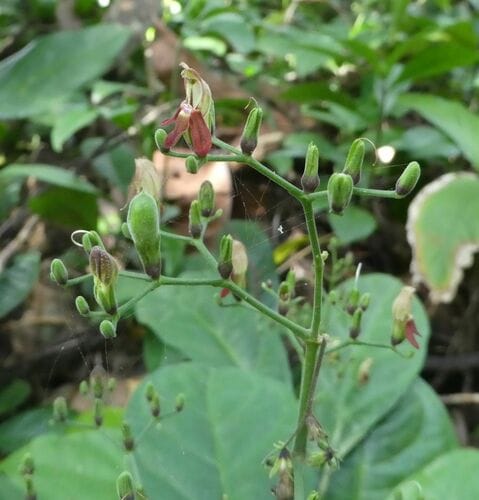
iNaturalist · cc-by-nc
(c) Carel Jongkind, some rights reserved (CC BY-NC)
(c) Carel Jongkind, some rights reserved (CC BY-NC)
What to Eat
Edible parts: Leaves
The leaves are eaten.
Where to Find It
A tropical plant. It grows in forest.
Africa, Central Africa, Central African Republic, CAR, Gabon, Ghana, Guinea, Guinée, Mozambique, Sierra Leone, West Africa,
Countries: Angola, Burkina Faso, Burundi, Benin, Botswana, Congo (DRC), Central African Republic, Congo (Republic), Cote d'Ivoire, Cameroon, Cape Verde, Djibouti, Algeria, Egypt, Eritrea, Ethiopia, Gabon, Ghana, Gambia, Guinea, Equatorial Guinea, Guinea-Bissau, Kenya, Comoros, Liberia, Lesotho, Libya, Morocco, Madagascar, Mali, Mauritania, Mauritius, Malawi, Mozambique, Namibia, Niger, Nigeria, Rwanda, Seychelles, Sudan, Sierra Leone, Senegal, Somalia, South Sudan, Sao Tome & Principe, Eswatini, Chad, Togo, Tunisia, Tanzania, Uganda, South Africa, Zambia, Zimbabwe
How to Identify
A tropical creeping plant in the Acanthaceae family that grows up to 3 m tall, found in forest understories.
Names & Synonyms
Duvemoia deqevrei Kraenzl. ex De Willd. & T. DurandDuvemoia extensa (T. Anderson) LindauDuvemoia stuhlmannii LindauEcbolium extensum (T. Anderson) KuntzeJusticia talbotii S. MooreJusticia thyrsiflora S. Moore
References (2)
- Abbiw, D.K., 1990, Useful Plants of Ghana. West African uses of wild and cultivated plants. Intermediate Technology Publications and the Royal Botanic Gardens, Kew. p 42
- Harris, D. J., 2002, The vascular plants of the Dzanga-Sangha Reserve, Central African Republic. National Botanic Garden of Belgium, 2002. – 274 pages p 36