Iva annua
L.
Sumpweed, Annual Marsh-elder
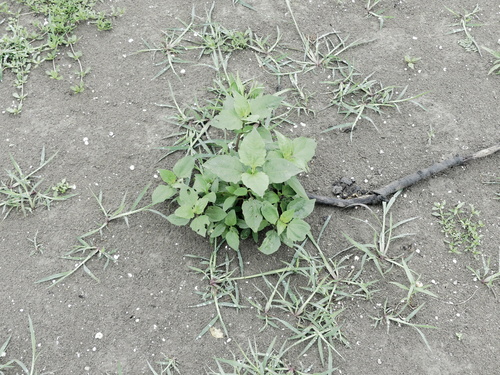
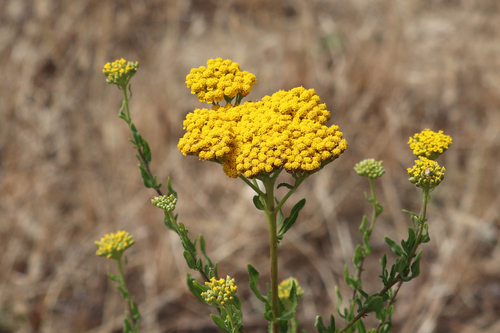
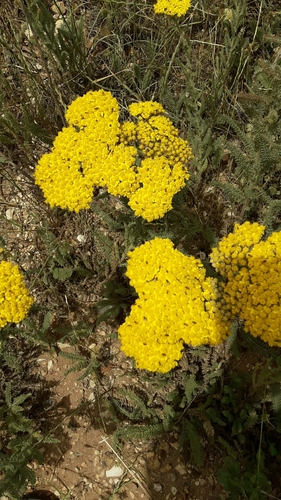
(c) Brush F, some rights reserved (CC BY-NC), uploaded by Brush F

(c) Laura Clark, some rights reserved (CC BY), uploaded by Laura Clark

(c) Bryan, some rights reserved (CC BY-NC), uploaded by Bryan
What to Eat
Edible parts: Seeds
Iva annua was cultivated for its edible seed by Native Americans around 4,000 years ago in the central and eastern United States as part of the Eastern Agricultural Complex. It was especially important to the indigenous peoples of the Kansas City Hopewell culture in present-day Missouri and Illinois. The edible parts contain 32 percent protein and 45 percent oil. However, like its relative ragweed, sumpweed possesses many objectionable qualities which include being a severe potential allergen and possessing a unique odor. Probably for these reasons it was abandoned after more pleasant alternatives (such as maize) were available and, by the time Europeans arrived in the Americas, had disappeared as a crop.
Where to Find It
It is a temperate plant.
North America, USA,
How to Identify
A herb. It grows 60-100 cm high.
Wikipedia
Source ↗Iva annua, the annual marsh elder or sumpweed, is a North American herbaceous annual plant in the family Asteraceae that was historically cultivated by Native Americans for its edible seed.
Other Information
It is an important food for some ethnic groups.
Names & Synonyms
References (5)
- Hermandez Bermejo, J.E., and Leon, J. (Eds.), 1994, Neglected Crops. 1492 from a different perspective. FAO Plant Production and Protection Series No 26. FAO, Rome. p 12
- http://www.stoller-eser.com/Flora/ethnobotany_table.htm
- Kermath, B. M., et al, 2014, Food Plants in the Americas: A survey of the domesticated, cultivated and wild plants used for Human food in North, Central and South America and the Caribbean. On line draft. p 452
- Kiple, K.F. & Ornelas, K.C., (eds), 2000, The Cambridge World History of Food. CUP p 1861
- Sp. pl. 2:988. 1753