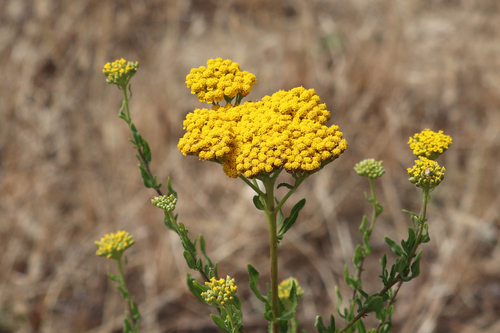
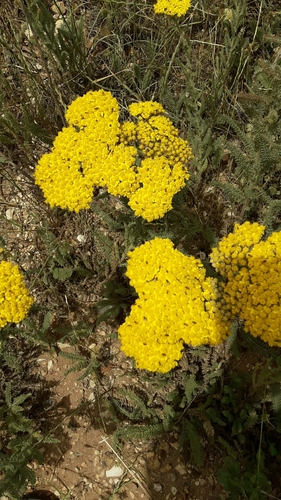
Aster fastigiatus
Fisch.

(c) yiyuyuye, some rights reserved (CC BY-NC)

(c) yiyuyuye, some rights reserved (CC BY-NC)

(c) yiyuyuye, some rights reserved (CC BY-NC)
What to Eat
Edible parts: Leaves
Edible Parts: Leaves Edible Uses: Young leaves - boiled.
Where to Find It
It is a cool temperate plant.
Asia, China, Japan, Korea, Siberia,
How to Identify
A perennial reaching 0.6 m tall, hardy to UK zone 2. Flowers from August to October with seeds ripening September to October. Hermaphroditic and self-fertile, pollinated by bees, flies, beetles, and lepidopterans. Tolerates light sandy, medium loamy, and heavy clay soils across mildly acid, neutral, and basic pH ranges. Requires full light and prefers moist or wet soil.
How to Grow
Succeeds in most good garden soils, preferring one that is well-drained and moisture retentive. Prefers a sunny position. There is some confusion over nomenclature, the reports below on the plants uses could refer to A. fastigiatus. Ledeb. non Fisch. which is a synonym for A. haupti. Ledeb. Most species in this genus seem to be immune to the predations of rabbits. Hybridizes freely with other members of this genus.
Propagation: Seed - surface sow in spring in a cold frame. Do not allow the compost to become dry. Pre-chilling the seed for two weeks can improve germination rates. Germination usually takes place within 2 weeks at 20°c. When large enough to handle, prick the seedlings out into individual pots and plant them out in the summer. Division in spring or autumn.
Medicinal Uses
Antispasmodic Dysentery Epilepsy Febrifuge Febrifuge. The root is used in the treatment of dysentery, epilepsy, plague and to allay the effects of overeating.
Other Uses
None known Special Uses
Wikipedia
A perennial reaching 0.6 m tall, hardy to UK zone 2. Flowers from August to October with seeds ripening September to October. Hermaphroditic and self-fertile, pollinated by bees, flies, beetles, and lepidopterans. Tolerates light sandy, medium loamy, and heavy clay soils across mildly acid, neutral, and basic pH ranges. Requires full light and prefers moist or wet soil.
Notes
There are about 250 Aster species.
References (1)
- Plants for a Future database, The Field, Penpol, Lostwithiel, Cornwall, PL22 0NG, UK. http://www.scs.leeds.ac.uk/pfaf/