Aster indicus
L.
Indian aster
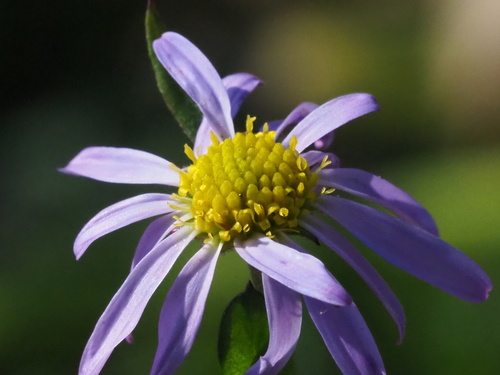
no rights reserved, uploaded by 葉子
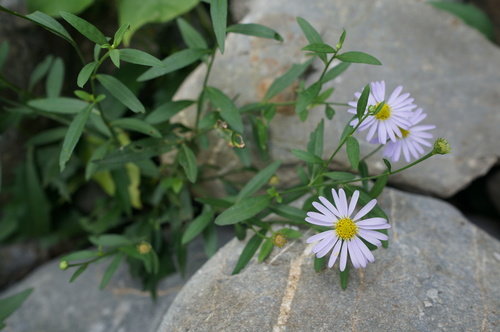
(c) Han-Ting Liu, some rights reserved (CC BY-NC), uploaded by Han-Ting Liu
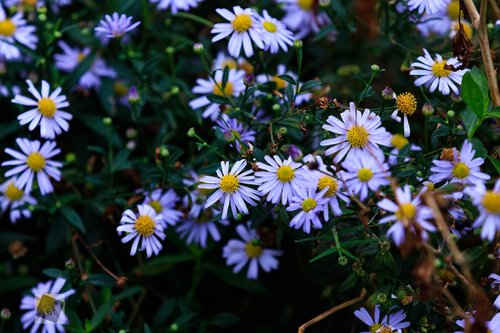
(c) thomasccc, some rights reserved (CC BY-NC), uploaded by thomasccc
What to Eat
Edible parts: Leaves
Indian aster has wide culinary uses in East Asia. Young leaves and stems are collected in early spring time and cooked with other food items such as dried tofu (bean curd). It is considered a delicacy because of its special flavor. It is particularly popular south of Yangtze River in China where it is called 马兰头 malantou.
Where to Find It
It is a temperate and subtropical plant. It China it grows on the edges of forests and in shaded places from sea level to 3,900 m above sea level. In Sichuan and Yunnan.
Asia, China, India, Indochina, Japan, Korea, Malaysia, Myanmar, Russia, SE Asia, Taiwan, Thailand, Vietnam,
How to Identify
A herb. It keeps growing from year to year. It grows 30-70 cm tall. It has rhizomes like runners. The stems are erect and hairy above. The leaves on the stem have wings on the leafstalks. The leaves are 3-6 cm long by 1-2 cm wide.
Notes
There are about 250 Aster species.
Names & Synonyms
References (1)
- READ