Aster trinervius var. adustus
Roxb.; Maxim
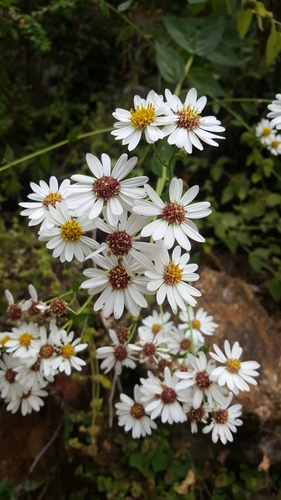
iNaturalist · cc-by-nc
(c) T. Abe Lloyd, some rights reserved (CC BY-NC), uploaded by T. Abe Lloyd
(c) T. Abe Lloyd, some rights reserved (CC BY-NC), uploaded by T. Abe Lloyd
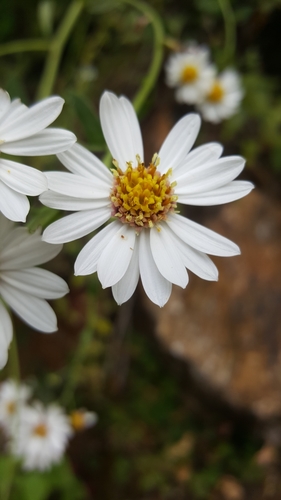
iNaturalist · cc-by-nc
(c) T. Abe Lloyd, some rights reserved (CC BY-NC), uploaded by T. Abe Lloyd
(c) T. Abe Lloyd, some rights reserved (CC BY-NC), uploaded by T. Abe Lloyd
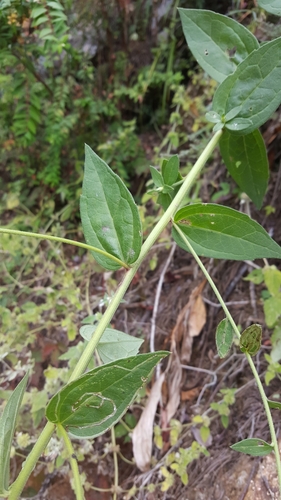
iNaturalist · cc-by-nc
(c) T. Abe Lloyd, some rights reserved (CC BY-NC), uploaded by T. Abe Lloyd
(c) T. Abe Lloyd, some rights reserved (CC BY-NC), uploaded by T. Abe Lloyd
What to Eat
Edible parts: Leaves, Shoots
The leaves and shoots are eaten.
Where to Find It
It is a temperate plant.
Asia, China,
Countries: United Arab Emirates, Afghanistan, Armenia, Azerbaijan, Bangladesh, Bahrain, Brunei, Bhutan, China, Georgia, Indonesia, Israel, India, Iraq, Iran, Jordan, Japan, Kyrgyzstan, Cambodia, North Korea, South Korea, Kuwait, Kazakhstan, Laos, Lebanon, Sri Lanka, Myanmar, Mongolia, Maldives, Malaysia, Nepal, Oman, Philippines, Pakistan, Qatar, Saudi Arabia, Singapore, Syria, Thailand, Tajikistan, Timor-Leste, Turkmenistan, Turkey, Taiwan, Uzbekistan, Vietnam, Yemen
How to Identify
An herbaceous plant in the daisy family (Asteraceae) found in temperate regions. The leaves and shoots are edible portions of this herb.
Notes
There are about 250 Aster species. Authorities unclear.
References (1)
- READ