Centaurea nigrescens
Willd.

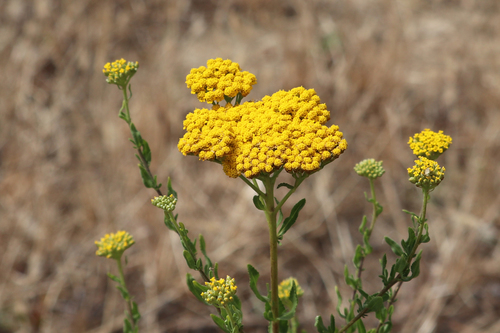
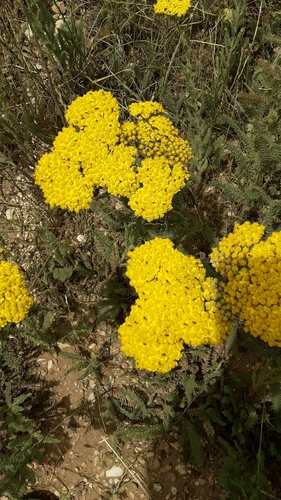
(c) Paul Tavares, some rights reserved (CC BY-NC), uploaded by Paul Tavares
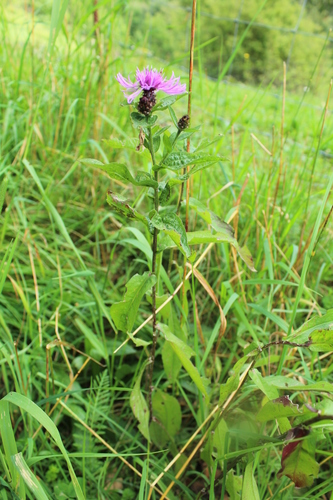
(c) donnasara, some rights reserved (CC BY-NC), uploaded by donnasara

(c) Douglas Goldman, some rights reserved (CC BY-SA), uploaded by Douglas Goldman
What to Eat
Edible parts: Leaves
The leaves are eaten.
Where to Find It
It is a Mediterranean climate plant. In Argentina it grows below 500 m above sea level.
Argentina, Europe*, Italy, Mediterranean, South America,
How to Identify
A herb. It grows about 50 cm tall. The leaves are 15-20 cm long by 5-6 cm wide and divided.
Wikipedia
Source ↗Centaurea nigrescens, the Tyrol knapweed, short-fringed knapweed or Tyrol thistle, is a perennial plant in the genus Centaurea that grows natively in Central and South-eastern Europe (from Southern Germany and Northern Italy to Romania and Bulgaria). It has also been introduced and is now a noxious weed in the Northern United States, Canada, and Southern Australia. It has purple flowers and it flowers in the summer (June to September).
Notes
There are 400 to 600 Centaurea species.
References (2)
- Paoletti, M.G., Dreon, A.L., and Lorenzoni, G.G., 1995, Pistic, Traditional Food from Western Friuli, NE Italy. Economic Botany 49(1) pp 26-30
- Sp. pl. 3(3):2288. 1803