Acilepis aspera
(Buch.-Ham.) H. Rob
Dorabohak, Kalunaba
AsteraceaeLeaves

gbif · cc0
Royal Botanic Garden Edinburgh
Royal Botanic Garden Edinburgh

gbif · cc0
Laura Tancredi
Laura Tancredi

gbif · cc0
Conveyor Belt
Conveyor Belt
What to Eat
Edible parts: Leaves, Vegetable
The leaves are eaten as a vegetable.
Where to Find It
A tropical plant.
Asia, China, Himalayas, India, Indochina, Laos, Myanmar, Nepal, SE Asia, Thailand, Vietnam,
Countries: United Arab Emirates, Afghanistan, Armenia, Azerbaijan, Bangladesh, Bahrain, Brunei, Bhutan, China, Georgia, Indonesia, Israel, India, Iraq, Iran, Jordan, Japan, Kyrgyzstan, Cambodia, North Korea, South Korea, Kuwait, Kazakhstan, Laos, Lebanon, Sri Lanka, Myanmar, Mongolia, Maldives, Malaysia, Nepal, Oman, Philippines, Pakistan, Qatar, Saudi Arabia, Singapore, Syria, Thailand, Tajikistan, Timor-Leste, Turkmenistan, Turkey, Taiwan, Uzbekistan, Vietnam, Yemen
How to Identify
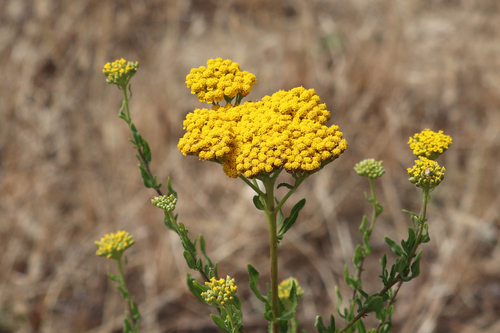
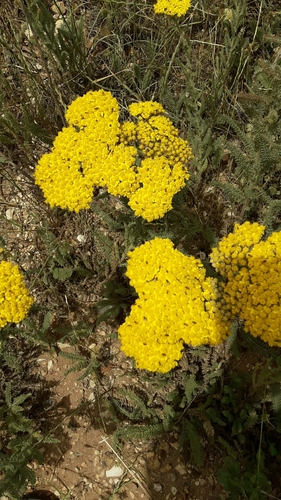
A shrub or small tree. It grows 5 m tall. There are prickles along the stem. The leaves are twice divided and there are 8-18 pairs of pinnae. There are up to 50 pairs of pinnules on each pinnae. The flowers are yellow. They are in large clusters at the ends of branches. The pods are flattened.
Names & Synonyms
Cacalia pyramidale KuntzeConyza platylepis Spreng. ex DC.Vernonia aspera (Roxb.) Buch.-Ham.Vernonia pyramidalis (D. Don) MitraVernonia roxburghii Less.Xipholepis aspera (Buch.-Ham.) Steetz
References (2)
- Ambasta, S.P. (Ed.), 2000, The Useful Plants of India. CSIR India. p 672 (As Vernonia roxburghii)
- Flora of China Asteraceae (As Vernonia aspera)