Xanthium spinosum
Linn.
Spiny clotbur, Spiny cocklebur

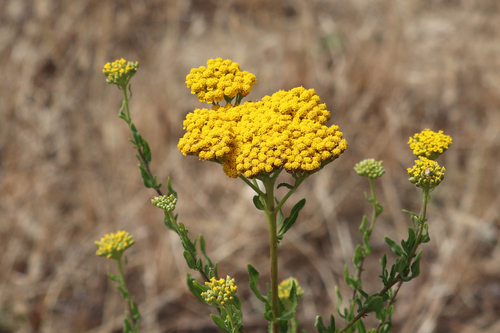
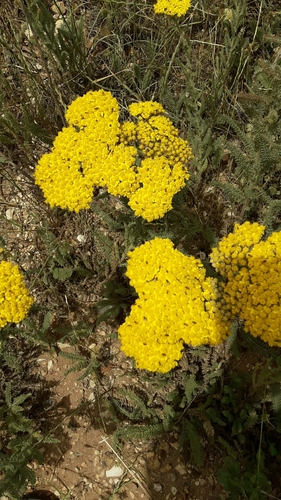
(c) Tony Rodd, some rights reserved (CC BY-NC-SA)

(c) Tony Rebelo, some rights reserved (CC BY-SA), uploaded by Tony Rebelo

(c) Antonio W. Salas, some rights reserved (CC BY), uploaded by Antonio W. Salas
What to Eat
Edible parts: Seeds - oil
None known
Known Hazards
Where to Find It
It is a temperate or Mediterranean plant. It grows on cultivated and waste grounds. It grows in warm temperate places. It grows in wet alkaline soils. In Argentina it grows from sea level to 2,500 m above sea level. Tasmania Herbarium.
Africa, Argentina, Asia, Australia, Bolivia, Botswana, Brazil, Canada,Central Asia, Chile, China, East Africa, Eswatini, Europe, France, Greece, India, Italy, Korea, Mediterranean, North America*, Paraguay, Portugal, Romania, Slovenia, Southern Africa, South America, Spain, Swaziland, Tajikistan, Tasmania, Turkey, Türkiye, Uruguay, USA, Zimbabwe,
How to Identify
A medium sized stiffly branched annual herb. It grows 1 m high. It has simple or 3 forked yellowish spines at the base of each leaf. The fruit heads are 8-12 mm across. They are covered with dense, hooked spines.
How to Grow
An easily grown plant, it succeeds in most soils but requires a sunny position. Plants often self sow.
Propagation: Sow seed in spring in situ. The seed requires plenty of moisture to germinate.
Medicinal Uses
The whole plant is an active styptic for both local and general application. It is considered a valuable and reliable treatment for hydrophobia. The plant is also diaphoretic, diuretic, and sedative. An infusion of the root has been used as an emetic.
Other Uses
None known
Wikipedia
Source ↗Xanthium spinosum (also known as Acanthoxanthium spinosum) is a species of flowering plant in the aster family known by many common names, including spiny cocklebur, prickly burweed and Bathurst burr. This species is part of the genus Xanthium that encompasses 25 different species of flowering plants of the daisy family, Asteraceae, and sunflower tribe.
Names & Synonyms
Abrojillo, Abrojo chico, Bathurst burr, Cadillo, Cepa caballo, Cloncli, Histiri zer, Trnati bodič
References (11)
- Ambasta, S.P. (Ed.), 2000, The Useful Plants of India. CSIR India. p 692
- Blamey, M and Grey-Wilson, C., 2005, Wild flowers of the Mediterranean. A & C Black London. p 440
- Blanco-Salas, J., et al, 2019, Wild Plants Potentially Used in Human Food in the Protected Area “Sierra Grande de Hornachos” of Extremadura (Spain). Sustainability 2019, 11, 456
- http://www.botanic-gardens-ljubljana.com/en/plants
- Kaya, O. M., et al, 2020, An ethnobotanical research in Sanhurfa central district and attached Villages (Turkey). Indian Journal of Traditional Knowledge. Vol. 19(1) pp 7-23
- Malezas Comestibles del Cono Sur, INTA, 2009, Buernos Aires
- Paczkowska, G. & Chapman, A.R., 2000, The Western Australian Flora. A Descriptive Catalogue. Western Australian Herbarium. p 179
- Pieroni, A., et al, 2012, "We are Italians!": The Hybrid Ethnobotany of a Venetian Diaspora in Eastern Romania. Human Ecology 40:435-451
- Sp. pl. 2:987. 1753
- Swaziland's Flora Database http://www.sntc.org.sz/flora
- Tasmanian Herbarium Vascular Plants list p 15