Celtis tala
Gillies ex Planch.
Cranjero, Tala

(c) Martin Arregui, some rights reserved (CC BY-NC), uploaded by Martin Arregui
(c) aacocucci, some rights reserved (CC BY), uploaded by aacocucci
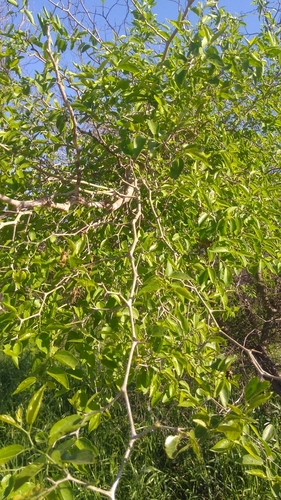
(c) Guille Ivan Spajic, some rights reserved (CC BY-NC), uploaded by Guille Ivan Spajic
What to Eat
Edible parts: Fruit
The fruit are only occasionally used for food.
Where to Find It
It is a tropical plant.
Argentina, Brazil, Central America, Mexico, North America, South America, Uruguay,
How to Identify
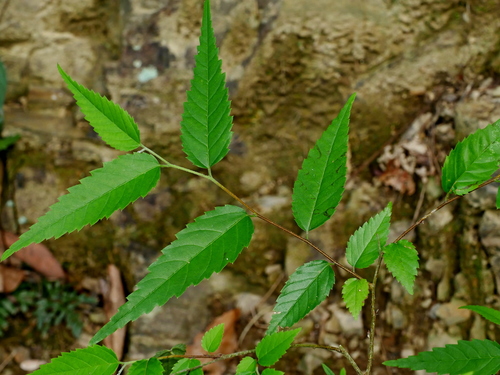
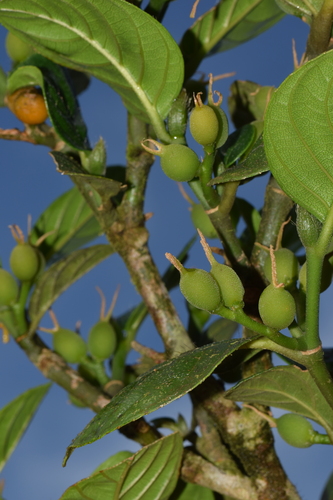
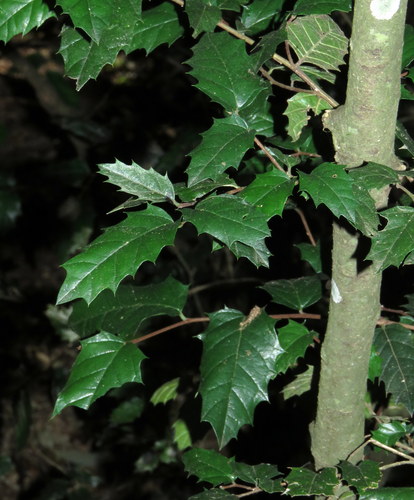
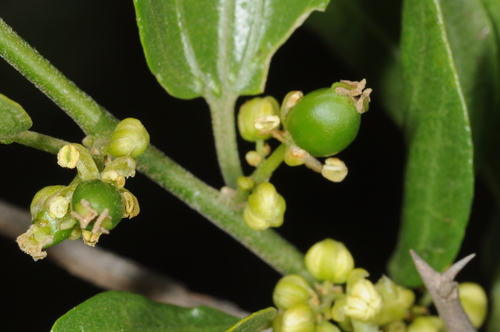
A shrub or small tree. It grows 12 m tall. It loses its leaves during the year. The fruit are small oval berries. They are orange-yellow.
Wikipedia
Source ↗Celtis tala (or Celtis ehrenbergiana), known as tala, is a medium size deciduous tree, native to tropical and subtropical South America. With small to medium-sized spines, its one of the main components of the Gran Chaco prairies and certain areas of the Argentinian pampa.
Other Information
The fruit are only occasionally used.
Notes
There are 70-100 Celtis species. They are mostly in the tropics. There are 8-10 species in tropical America. Also put in the family Ulmaceae.
Names & Synonyms
Cranxero
References (5)
- Ann. Sci. Nat. Bot. ser. 3, 10:311. 1848
- Hedrick, U.P., 1919, (Ed.), Sturtevant's edible plants of the world. p 178
- Kinupp, V. F., 2007, Plantas alimenticias nao-convencionais da regiao metropolitana de Porto Alegre, RS, Brazil p 71 (As Celtis sellowiana)
- Palmieri, V. S., et al, 2022, Wild edible plants of the Central Mountains in Argentina. Comparing subregions to understand the complexity of local botanical knowledge. Rodriguésia 73: e01092021. 2022
- World Atlas, Native Plants of Uruguay.