Leontodon autumnalis
L.
Fall dandelion, Autumn hawk bit

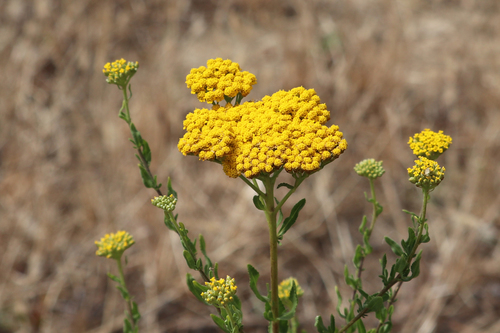
iNaturalist · cc-by-nc
(c) Emma, some rights reserved (CC BY-NC)
(c) Emma, some rights reserved (CC BY-NC)

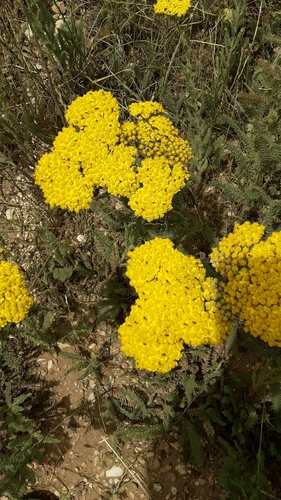
iNaturalist · cc-by-nc
(c) Emma, some rights reserved (CC BY-NC)
(c) Emma, some rights reserved (CC BY-NC)

iNaturalist · cc-by-nc
(c) Emma, some rights reserved (CC BY-NC)
(c) Emma, some rights reserved (CC BY-NC)
What to Eat
Edible parts: Leaves, Roots
The leaves are added to salads or cooked like spinach, with the cooking water discarded. The roots are also edible.
Where to Find It
It is a Mediterranean climate plant. In Argentina it grows below 500 m above sea level.
Argentina, Balkans, Bosnia, Chile, Europe*, Italy, Luxembourg, Mediterranean, Slovenia, South America,
Countries: Andorra, Albania, Argentina, Austria, Bosnia & Herzegovina, Belgium, Bulgaria, Bolivia, Brazil, Belarus, Switzerland, Chile, Colombia, Cyprus, Czechia, Germany, Denmark, Algeria, Ecuador, Estonia, Egypt, Spain, Finland, France, United Kingdom, French Guiana, Greece, Guyana, Croatia, Hungary, Ireland, Israel, Iceland, Italy, Lebanon, Liechtenstein, Lithuania, Luxembourg, Latvia, Libya, Morocco, Monaco, Moldova, Montenegro, North Macedonia, Malta, Netherlands, Norway, Peru, Poland, Portugal, Paraguay, Romania, Serbia, Russia, Sweden, Slovenia, Slovakia, San Marino, Suriname, Syria, Tunisia, Turkey, Ukraine, Uruguay, Venezuela
How to Identify
A herb. It keeps growing from year to year. It grows 20-40 cm tall. The leaves are sword shaped and 4-35 cm long by 1-4 cm wide.
Names & Synonyms
Jesenski jajčar, Lavlji zub
References (5)
- Facciola, S., 1998, Cornucopia 2: a Source Book of Edible Plants. Kampong Publications, p 40
- http://www.botanic-gardens-ljubljana.com/en/plants
- Redzic, S. J., 2006, Wild Edible Plants and their Traditional Use in the Human Nutrition in Bosnia-Herzegovina. Ecology of Food and Nutrition, 45:189-232
- Redzic, S., 2010, Use of Wild and Semi-Wild Edible Plants in Nutrition and Survival of People in 1430 Days of Siege of Sarajevo during the War in Bosnia and Herzegovina (1992–1995). Coll. Antropol 34 (2010) 2:551-570
- Sp. pl. 2:798. 1753