Saussurea lappa
(Decne.) C. B. Clarke
Costus, Kuth
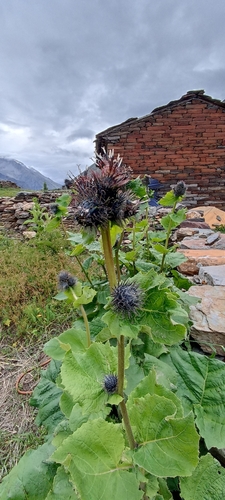
iNaturalist · cc-by-nc
(c) Rajendra Koranga, some rights reserved (CC BY-NC)
(c) Rajendra Koranga, some rights reserved (CC BY-NC)
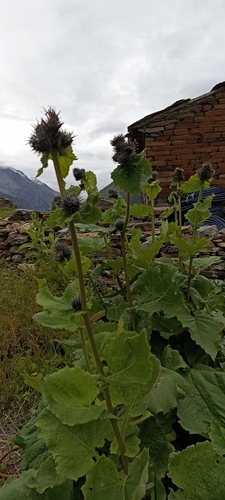
iNaturalist · cc-by-nc
(c) Rajendra Koranga, some rights reserved (CC BY-NC)
(c) Rajendra Koranga, some rights reserved (CC BY-NC)
iNaturalist · cc-by-nc
(c) Rajendra Koranga, some rights reserved (CC BY-NC)
(c) Rajendra Koranga, some rights reserved (CC BY-NC)
What to Eat
Edible parts: Roots - spice, Oil, Leaves
The roots are used as a spice and are the source of an essential oil used in the food industry for flavouring baked goods and puddings. The leaves are eaten as a vegetable.
Where to Find It
A cool temperate plant.
Asia, Himalayas, India, NW India,
Countries: United Arab Emirates, Afghanistan, Armenia, Azerbaijan, Bangladesh, Bahrain, Brunei, Bhutan, China, Georgia, Indonesia, Israel, India, Iraq, Iran, Jordan, Japan, Kyrgyzstan, Cambodia, North Korea, South Korea, Kuwait, Kazakhstan, Laos, Lebanon, Sri Lanka, Myanmar, Mongolia, Maldives, Malaysia, Nepal, Oman, Philippines, Pakistan, Qatar, Saudi Arabia, Singapore, Syria, Thailand, Tajikistan, Timor-Leste, Turkmenistan, Turkey, Taiwan, Uzbekistan, Vietnam, Yemen
How to Identify
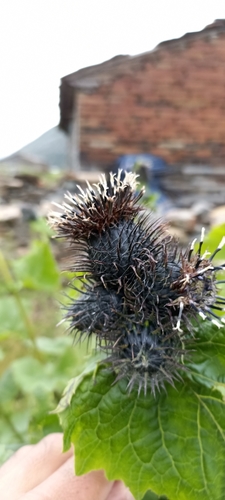
An herb in the Asteraceae family native to cool temperate regions, cultivated for its aromatic roots and edible leaves.
Other Information
It is cultivated.
Names & Synonyms
Mu Xiang
References (5)
- Compos. ind. 233. 1876
- Facciola, S., 1998, Cornucopia 2: a Source Book of Edible Plants. Kampong Publications, p 41
- Kunkel,
- Mir, M. Y., 2014, Documentation and ethnobotanical survey of wild edible plants used by the tribals of Kupwara, J & K, India. International Journal of Herbal Medicine. 2(4): 11-18
- Zeven, A. C. & de West, J. M. J., 1982, Dictionary of cultivated plants and their regions of diversity. Wageningen. p 71