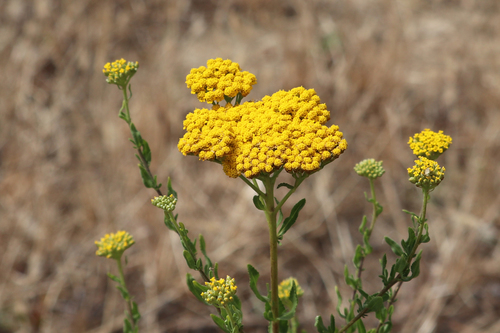
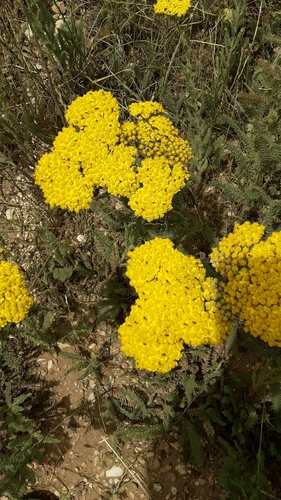
Stevia serrata
Cav.
Sweet leaf

iNaturalist · cc-by-nc
(c) Guillermo Pérez-Negrón, some rights reserved (CC BY-NC), uploaded by Guillermo Pérez-Negrón
(c) Guillermo Pérez-Negrón, some rights reserved (CC BY-NC), uploaded by Guillermo Pérez-Negrón

iNaturalist · cc-by-nc
(c) Antonio Pérez Zárate, some rights reserved (CC BY-NC)
(c) Antonio Pérez Zárate, some rights reserved (CC BY-NC)
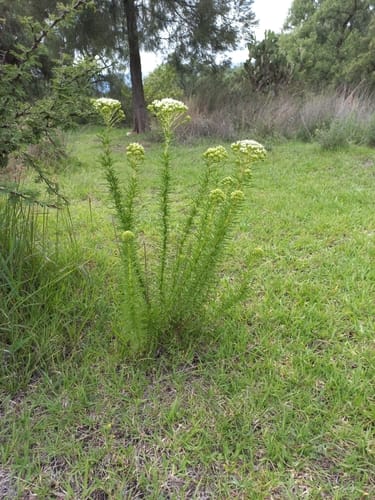
iNaturalist · cc-by-nc
(c) Ethian Licona, some rights reserved (CC BY-NC)
(c) Ethian Licona, some rights reserved (CC BY-NC)
What to Eat
Edible parts: Leaves - drink
Human use of the sweet species S. rebaudiana originated in South America. The species Stevia rebaudiana is widely grown for the sweet compounds (steviol glycosides) extracted from its leaves, sold as a sugar substitute under the generic name stevia and several trade names.
Where to Find It
It is a tropical plant.
Central America, Ecuador, Mexico, North America,
Countries: Antigua & Barbuda, Barbados, Bahamas, Belize, Canada, Costa Rica, Cuba, Dominica, Dominican Republic, Ecuador, Grenada, Guatemala, Honduras, Haiti, Jamaica, St Kitts & Nevis, St Lucia, Mexico, Nicaragua, Panama, Puerto Rico, El Salvador, Trinidad & Tobago, United States, St Vincent
How to Identify
A tropical herb in the Asteraceae family with sweet leaves.
How to Grow
A plant of warm temperate to tropical areas. Prefers a sunny position. Requires a well-drained soil.
Propagation: Seed - Cuttings Division
Names & Synonyms
Burrillo, Chile burro, Roninowa, Tsitsiki
Stevia canescens KunthStevia ivaefolia Willd.Stevia lanceolata Lag.and others
References (4)
- Facciola, S., 1998, Cornucopia 2: a Source Book of Edible Plants. Kampong Publications, p 43
- Icon 4:33, t. 355. 1797
- Kermath, B. M., et al, 2014, Food Plants in the Americas: A survey of the domesticated, cultivated and wild plants used for Human food in North, Central and South America and the Caribbean. On line draft. p 839
- Steinkraus,