Solanum verrucosum
Schltdl.
Papa morada

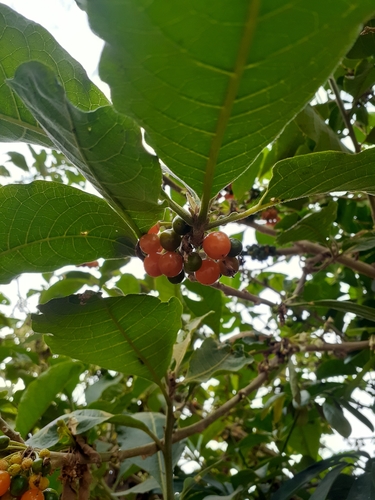
(c) Bodo Nuñez Oberg, some rights reserved (CC BY-NC), uploaded by Bodo Nuñez Oberg

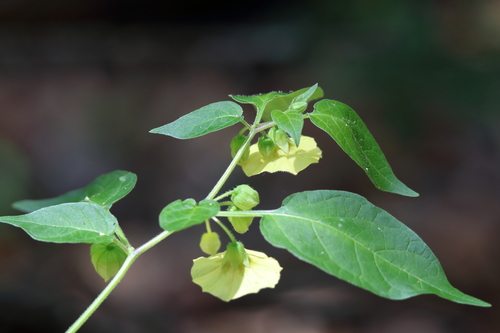
(c) Carlos G Velazco-Macias, some rights reserved (CC BY-NC), uploaded by Carlos G Velazco-Macias

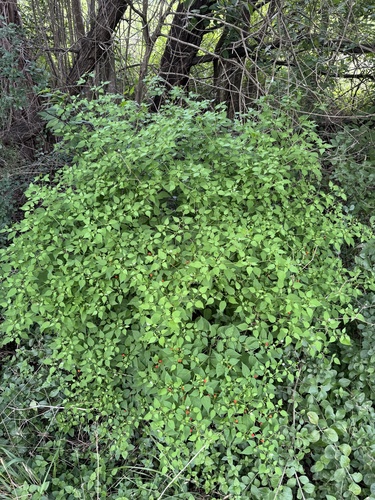
(c) Zona Sujeta a Conservación Ecológica Sierra de Zapalinamé, some rights reserved (CC BY-NC), uploaded by Zona Sujeta a Conservación Ecológica Sierra de Zapalinamé
What to Eat
Edible parts: Tubers, Root
The tubers are cooked and eaten as food.
Known Hazards
Where to Find It
A tropical plant. It grows between 2,100-3,500 m above sea level.
Central America, Mexico, North America,
How to Identify
A herbaceous tuber-forming plant in the Solanaceae family, native to tropical highlands between 2,100-3,500 m altitude.
How to Grow
This species is very similar to some populations of Solanum stoloniferum and Solanum demissum.
Propagation: Seed - sow in trays in a nursery. Prick out the seedlings into a fairly rich compost as soon as they are large enough to handle and grow them on fast. Plant them out when 10cm or more tall. Division of the tubers when the plant is dormant
Wikipedia
Source ↗Solanum verrucosum is a species of wild potato in the family Solanaceae, native to Mexico. It is typically found in cloud forests at 2,100–3,500 m (6,900–11,500 ft) above sea level. Its tubers are small and late to develop, but said to be quite tasty. A diploid, it is being extensively studied for its resistance to Phytophthora infestans (the cause of late potato blight), and Potato leafroll virus, in an effort to improve the domestic potato Solanum tuberosum.
Names & Synonyms
References (6)
- Facciola, S., 1998, Cornucopia 2: a Source Book of Edible Plants. Kampong Publications, p 238
- Ind. sem. hort. hal. 1839:10. 1839
- Kermath, B. M., et al, 2014, Food Plants in the Americas: A survey of the domesticated, cultivated and wild plants used for Human food in North, Central and South America and the Caribbean. On line draft. p 827
- Lim, T. K., 2015, Edible Medicinal and Non Medicinal Plants. Volume 9, Modified Stems, Roots, Bulbs. Springer p 78
- Piedra-Malagón, E. M., et al, 2022, Edible native plants of the Gulf of Mexico Province. Biodiversity Data Journal 10: e80565 p 31
- Reis, S. V. and Lipp, F. L., 1982, New Plant Sources for Drugs and Foods from the New York Botanical Garden herbarium. Harvard. p 271