Sonchus integrifolius
Harv.
AsteraceaeLeaves

iNaturalist · cc-by-nc
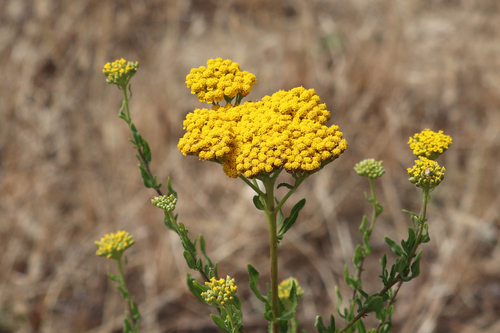
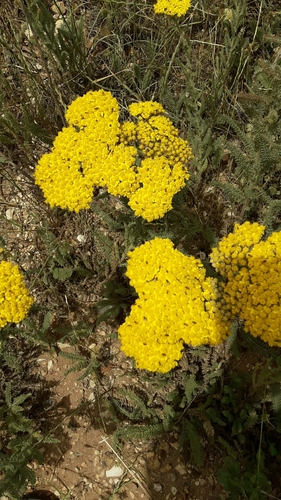
(c) Ansell Matcher, some rights reserved (CC BY-NC), uploaded by Ansell Matcher
(c) Ansell Matcher, some rights reserved (CC BY-NC), uploaded by Ansell Matcher

iNaturalist · cc-by-nc
(c) Ansell Matcher, some rights reserved (CC BY-NC), uploaded by Ansell Matcher
(c) Ansell Matcher, some rights reserved (CC BY-NC), uploaded by Ansell Matcher
What to Eat
Edible parts: Leaves
The young leaves are eaten raw or boiled.
Where to Find It
It is a subtropical plant. It is often in soil that is seasonally waterlogged. It can grow in arid places.
Africa, East Africa, Eswatini, Lesotho, Mozambique, South Africa, Southern Africa, Swaziland, Zimbabwe,
Countries: Angola, Burkina Faso, Burundi, Benin, Botswana, Congo (DRC), Central African Republic, Congo (Republic), Cote d'Ivoire, Cameroon, Cape Verde, Djibouti, Algeria, Egypt, Eritrea, Ethiopia, Gabon, Ghana, Gambia, Guinea, Equatorial Guinea, Guinea-Bissau, Kenya, Comoros, Liberia, Lesotho, Libya, Morocco, Madagascar, Mali, Mauritania, Mauritius, Malawi, Mozambique, Namibia, Niger, Nigeria, Rwanda, Seychelles, Sudan, Sierra Leone, Senegal, Somalia, South Sudan, Sao Tome & Principe, Eswatini, Chad, Togo, Tunisia, Tanzania, Uganda, South Africa, Zambia, Zimbabwe
How to Identify
A herb. It is a small plant that keeps growing from year to year. It grows less than 55 cm high. The leaves are at the base and along the stem. They are narrow and taper to a long point. There are hooked teeth along the edge. The leaves are 7 cm long and 5 mm wide. The flower heads occur singly. They are yellow and white. There are 2 varieties.
Names & Synonyms
Naka la tholo, Sethokoyna se seholo
Sonchus delagoensii Thell.
References (8)
- Fox, F. W. & Young, M. E. N., 1982, Food from the Veld. Delta Books. p 125
- Guillarmod, J., 1966, 1971,
- Long, C., 2005, Swaziland's Flora - siSwati names and Uses http://www.sntc.org.sz/flora/
- Peters, C. R., O'Brien, E. M., and Drummond, R.B., 1992, Edible Wild plants of Sub-saharan Africa. Kew. p 92
- Royal Botanic Gardens, Kew (1999). Survey of Economic Plants for Arid and Semi-Arid Lands (SEPASAL) database. Published on the Internet; http://www.rbgkew.org.uk/ceb/sepasal/internet [Accessed 14th April 2011]
- Swaziland's Flora Database http://www.sntc.org.sz/flora
- Welcome, A. K. & Van Wyk, B.-E., 2019, An inventory and analysis of the food plants of southern Africa. South African Journal of Botany 122 (2019) 136–179
- World Checklist of Useful Plant Species 2020. Royal Botanic Gardens, Kew