Sonchus luxurians
(R. E. Fr.) C. Jeffrey

MBG

Meise Botanic Garden
What to Eat
Edible parts: Leaves
Leaves - cooked. They are chopped and cooked alone or can be mixed with other vegetables such as Solanum, Bidens or Galinsoga; coconut milk or pounded groundnuts are added and then they are eaten alone or along with a staple food such as ugali or rice.
Where to Find It
It is a tropical plant. In grows in grasslands and on mountain sides. In Tanzania it grows between 1,500-2,000 m above sea level.
Africa, Burundi, East Africa, Kenya, Mozambique, Rwanda, Tanzania, Uganda,
How to Identify
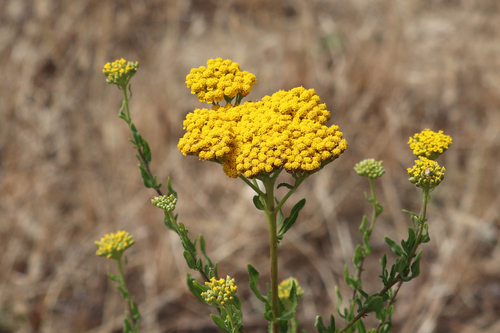
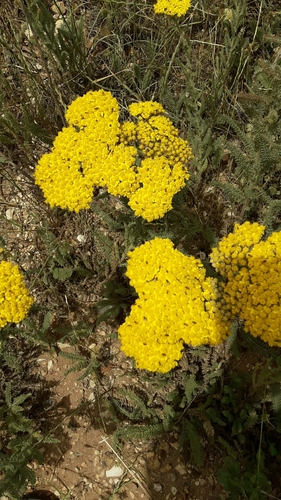
A robust herb. It keeps growing from year to year. It can be erect or trailing. It grows 1-2 m long. It is succulent with white latex. The older stems are hollow and become woody at the base. The leaves are alternate. They are divided into lobes along the stalk. The lobes usually curve away from the tip. The wide lobes near the base clasp the stem. The leaves are 15 cm long. The flowers occur in heads. They are yellow. They are about 8 mm across. They are at the ends of branches in the axils of leaves near the top. The fruit are very small and dry. They have stiff straight bristles.
How to Grow
Plants can be grown from seeds.
Medicinal Uses
The leaves are pounded and soaked in cold water. The infusion is used as a remedy for fever and stomach upsets.
Production
Leaves are collected during the rainy season.
Other Information
The leaves are sold in local markets.
Names & Synonyms
Ikigeembegeembe, Ipempu, Kwake, Mchunga, Mshunga pwapwa, Msunga, Pwake, Sunga
References (5)
- Fleuret, 1979,
- Grivetti, L. E., 1980, Agricultural development: present and potential role of edible wild plants. Part 2: Sub-Saharan Africa, Report to the Department of State Agency for International Development. p 50
- Msuya, T. S., et al, 2010, Availability, Preference and Consumption of Indigenous Foods in the Eastern Arc Mountains, Tanzania, Ecology of Food and Nutrition, 49:3, 208-227
- Peters, C. R., O'Brien, E. M., and Drummond, R.B., 1992, Edible Wild plants of Sub-saharan Africa. Kew. p 92
- Ruffo, C. K., Birnie, A. & Tengnas, B., 2002, Edible Wild Plants of Tanzania. RELMA p 616