Sebaea leiostyla
Gilg.
GentianaceaeLeaves

iNaturalist · cc-by-nc
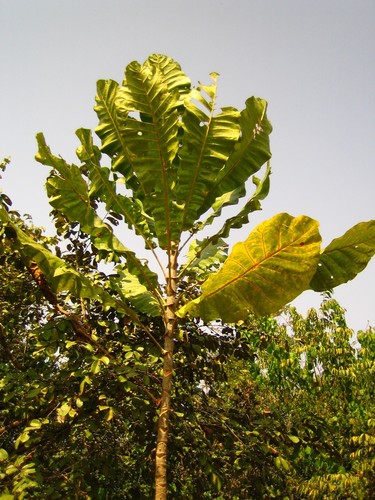
(c) Ansell Matcher, some rights reserved (CC BY-NC), uploaded by Ansell Matcher
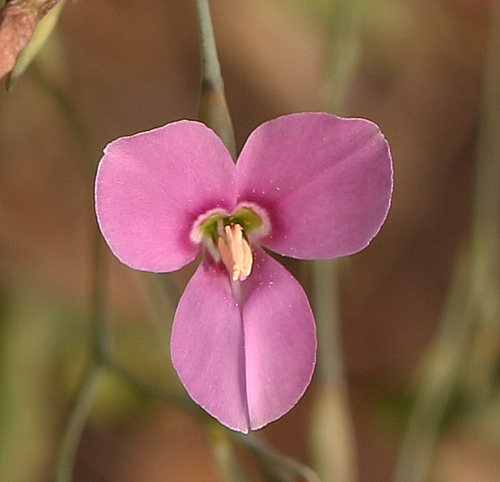
(c) Ansell Matcher, some rights reserved (CC BY-NC), uploaded by Ansell Matcher
iNaturalist · cc-by-nc
(c) Sharon Louw, some rights reserved (CC BY-NC), uploaded by Sharon Louw
(c) Sharon Louw, some rights reserved (CC BY-NC), uploaded by Sharon Louw
iNaturalist · cc-by-nc
(c) Richard Gill, some rights reserved (CC BY-NC)
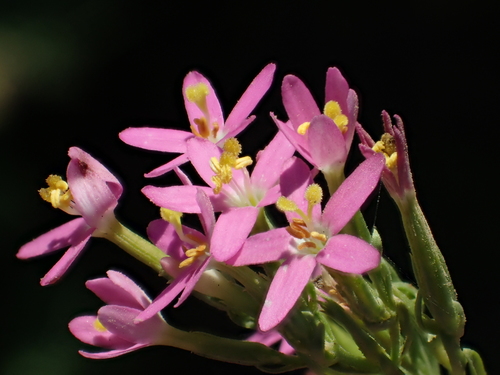
(c) Richard Gill, some rights reserved (CC BY-NC)
What to Eat
Edible parts: Leaves
The leaves are eaten.
Where to Find It
It is a tropical plant. It grows in grassland and over moist rocky outcrops between 1,300-2,140 m above sea level. It can occur at higher altitudes.
Africa, East Africa, Eswatini, Lesotho, Malawi, Mozambique, South Africa, Southern Africa, Swaziland, Zimbabwe,
Countries: Angola, Burkina Faso, Burundi, Benin, Botswana, Congo (DRC), Central African Republic, Congo (Republic), Cote d'Ivoire, Cameroon, Cape Verde, Djibouti, Algeria, Egypt, Eritrea, Ethiopia, Gabon, Ghana, Gambia, Guinea, Equatorial Guinea, Guinea-Bissau, Kenya, Comoros, Liberia, Lesotho, Libya, Morocco, Madagascar, Mali, Mauritania, Mauritius, Malawi, Mozambique, Namibia, Niger, Nigeria, Rwanda, Seychelles, Sudan, Sierra Leone, Senegal, Somalia, South Sudan, Sao Tome & Principe, Eswatini, Chad, Togo, Tunisia, Tanzania, Uganda, South Africa, Zambia, Zimbabwe
How to Identify
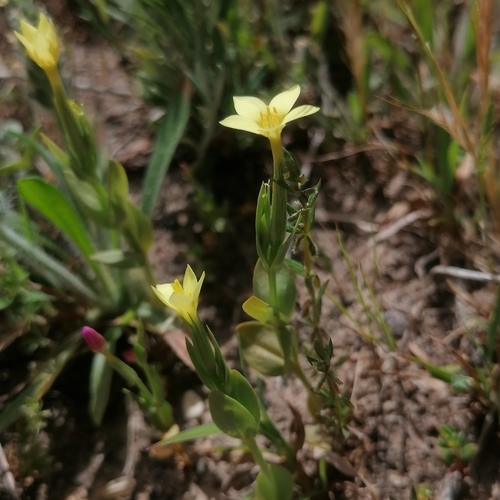
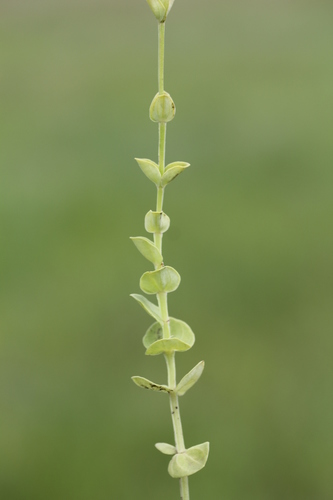
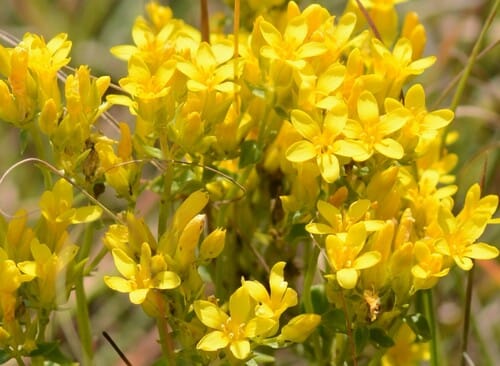
A herb. It is erect and can grow for one or more years. It grows 60 cm high. The stems are slender and have 4 ridges. The leaves are almost round and do not have leaf stalks. There are 5 veins from the base. The flowers are in dense groups with many flowers at the ends of the shoots. They are bright yellow. The fruit is a narrowly oval capsule.
Names & Synonyms
Sebaea bequaertii De Wild.Sebaea polyantha GilgSebaea transvaalensis Schinz
References (5)
- Marker & Sheape,
- Peters, C. R., O'Brien, E. M., and Drummond, R.B., 1992, Edible Wild plants of Sub-saharan Africa. Kew. p 115
- Ruiters-Welcome, A. K., 2019, Food plants of southern Africa. Ph.D. thesis. Univ. of Johannesburg p 63
- Swaziland's Flora Database http://www.sntc.org.sz/flora
- Welcome, A. K. & Van Wyk, B.-E., 2019, An inventory and analysis of the food plants of southern Africa. South African Journal of Botany 122 (2019) 136–179