Cestrum racemosum
Ruiz. & Pav.
Zorrillo, Jessamine
SolanaceaeLeaves
iNaturalist · cc-by-nc
(c) Apipa, some rights reserved (CC BY-NC), uploaded by Apipa
(c) Apipa, some rights reserved (CC BY-NC), uploaded by Apipa

iNaturalist · cc-by
(c) Neptalí Ramírez Marcial, some rights reserved (CC BY), uploaded by Neptalí Ramírez Marcial
(c) Neptalí Ramírez Marcial, some rights reserved (CC BY), uploaded by Neptalí Ramírez Marcial
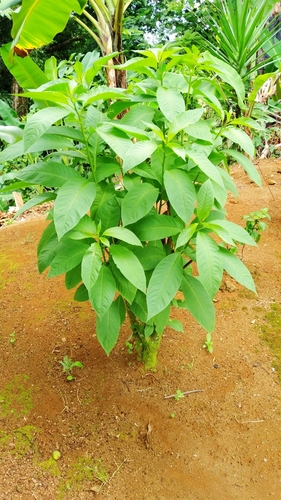
iNaturalist · cc-by-nc
(c) vannesaledezmajimenez, some rights reserved (CC BY-NC)
(c) vannesaledezmajimenez, some rights reserved (CC BY-NC)
What to Eat
Edible parts: Leaves
The leaves are eaten.
Where to Find It
It is a tropical plant.
Belize, Bolivia, Central America, Colombia, Costa Rica, Ecuador, El Salvador, Guatemala, Guiana, Guyana, Honduras, Mexico, Nicaragua, North America, Panama, Peru, South America, Venezuela,
Countries: Antigua & Barbuda, Argentina, Barbados, Bolivia, Brazil, Bahamas, Belize, Canada, Chile, Colombia, Costa Rica, Cuba, Dominica, Dominican Republic, Ecuador, Grenada, French Guiana, Guatemala, Guyana, Honduras, Haiti, Jamaica, St Kitts & Nevis, St Lucia, Mexico, Nicaragua, Panama, Peru, Puerto Rico, Paraguay, Suriname, El Salvador, Trinidad & Tobago, United States, Uruguay, St Vincent, Venezuela
How to Identify
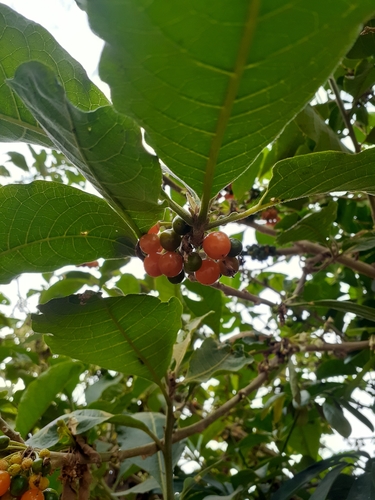
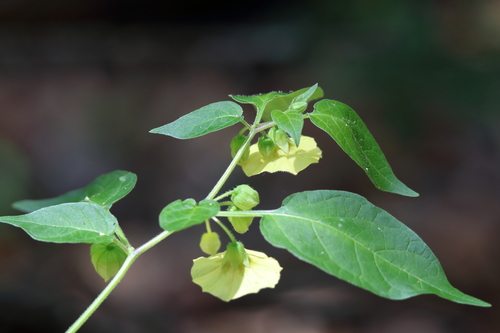
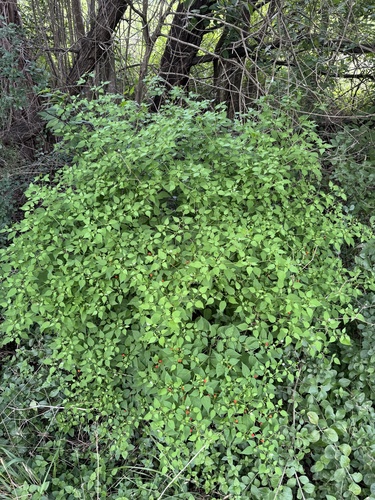
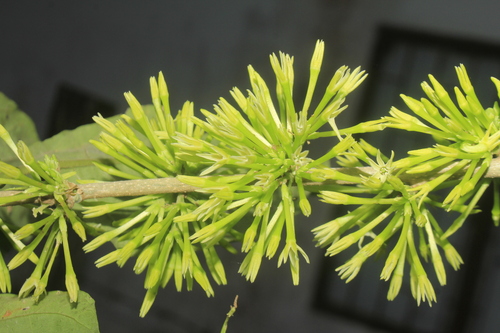
A shrub or small tree. It can grow 12 m tall. The leaves are simple and alternate. The leaf blade is 7-23 cm long by 3-7 cm wide. They are oval and taper to the tip. The flowering stalks can be in axils of leaves or at the ends of branches. There are many tube shaped flowers. They are mostly green. The fruit are 6-8 mm across. They are oval and black at maturity. There are several seeds.
Names & Synonyms
Amargoso, Kuguoli, Nulio
Cestrum grande Pittierand others
References (8)
- Castaneda, H., & Stepp, J. R., 2007, Ecosystems as Sources of Useful Plants for the Guaymi People of Costa Rica. Ethnobotany Journal. 5:249-257
- Chizmar Fernandez, C., et al, 2009, Plantas comestibles de Centroamerica. Instituto de Biodiversidad, Costa Rica. p 302
- D'Ambrosio, U., & Puri, R. K., 2016, Foodways in transition: food plants, diet and local perceptions of change in a Costa Rican Ngäbe community. Journal of Ethnobiology and Ethnomedicine (2016) 12:3 p 27
- Diaz-Jose, J., et al, 2019, Traditional Knowledge of Edible Wild Plants Used by Indigenous Communities in Zongolica, Mexico. Ecology of Food and Nutrition.
- Grandtner, M. M. & Chevrette, J., 2013, Dictionary of Trees, Volume 2: South America: Nomenclature, Taxonomy and Ecology. Academic Press p 121
- Hellmuth, N. M., 2013, Maya Ethnobotany. FLAAR Reports.
- Kew Plants of the World Online
- Piedra-Malagón, E. M., et al, 2022, Edible native plants of the Gulf of Mexico Province. Biodiversity Data Journal 10: e80565 p 30