Solanum endopogon
(Bitter) Bohs
Takup
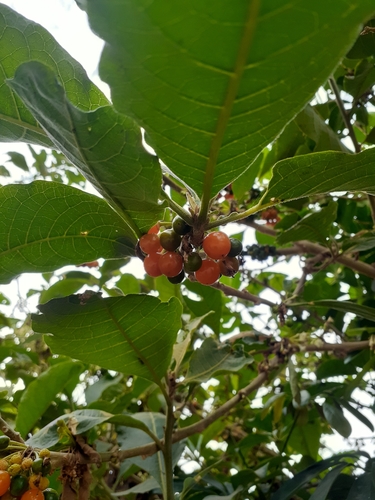
SolanaceaeFruit

iNaturalist · cc-by-nc
(c) Sébastien SANT, some rights reserved (CC BY-NC), uploaded by Sébastien SANT
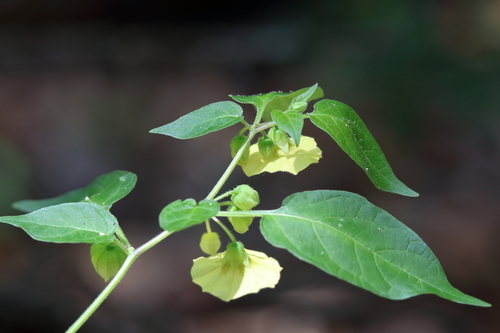
(c) Sébastien SANT, some rights reserved (CC BY-NC), uploaded by Sébastien SANT
iNaturalist · cc-by-nc
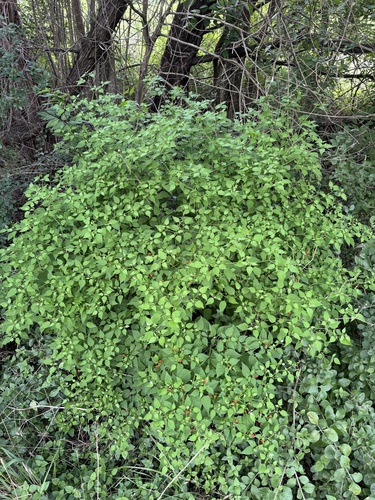
(c) Sébastien SANT, some rights reserved (CC BY-NC), uploaded by Sébastien SANT
(c) Sébastien SANT, some rights reserved (CC BY-NC), uploaded by Sébastien SANT
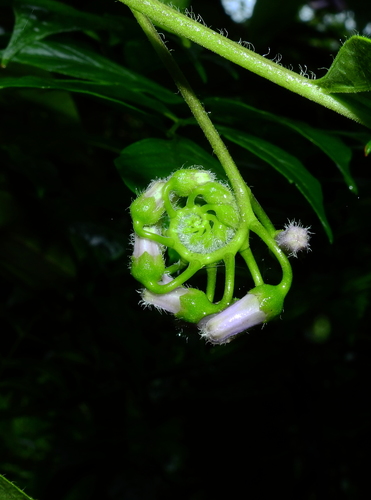
iNaturalist · cc-by-nc
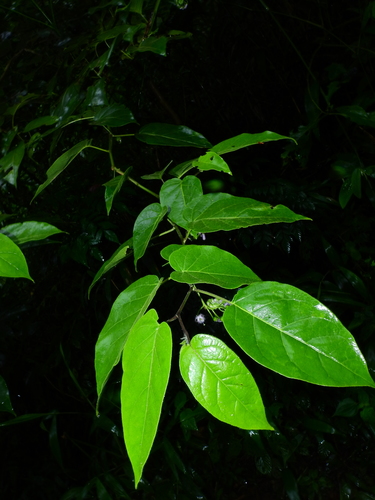
(c) Sébastien SANT, some rights reserved (CC BY-NC), uploaded by Sébastien SANT
(c) Sébastien SANT, some rights reserved (CC BY-NC), uploaded by Sébastien SANT
What to Eat
Edible parts: Fruit
The fruit is eaten.
Where to Find It
It is a tropical plant. It grows between 100-1,000 m above sea level.
Amazon, Andes, Brazil, Colombia, Ecuador, French Guiana, Guyana, Peru, South America,
How to Identify
A small tree. It grows 2-15 m tall. The leaves are simple and may or may not have lobes.
Names & Synonyms
Asna panga, Chiwingue iji, Chuposacha del monte, Chupo sacha macho, Chupa sacha masha, Gallinazo copal, Gallinazo panga, Gallinazo pango, Mehegkash, Mehenkas, Sache tomate, Ora panga, Shuposacha machoa, Siuca sacha, Sinanacco, Takup, Tomate de Arbol, Uluwukasi
Cyphomandra endopogon Bitter
References (5)
- Duchelle, A. E., 2007, Observations on Natural Resource use and Conservation by the Shuar In Ecuador's Cordillera del Condor. Ethnobotany Research & Applications 5:005-023
- Grandtner, M. M. & Chevrette, J., 2013, Dictionary of Trees, Volume 2: South America: Nomenclature, Taxonomy and Ecology. Academic Press p 615
- Kermath, B. M., et al, 2014, Food Plants in the Americas: A survey of the domesticated, cultivated and wild plants used for Human food in North, Central and South America and the Caribbean. On line draft. p 817
- Kew Plants of the World Online
- Roa, J. A. G. & Boada, D. S. G., 2018, Fundación para el Fortalecimiento de la Fruticultura y Plantas Alimenticias no Convencionales en Colombia.