Solanum hieronymi
O. Kuntze
Najneno, Pocote
SolanaceaeRoots

iNaturalist · cc0
no rights reserved, uploaded by Étienne Lacroix-Carignan
no rights reserved, uploaded by Étienne Lacroix-Carignan
iNaturalist · cc-by
(c) Tomás Carranza Perales, some rights reserved (CC BY), uploaded by Tomás Carranza Perales
(c) Tomás Carranza Perales, some rights reserved (CC BY), uploaded by Tomás Carranza Perales
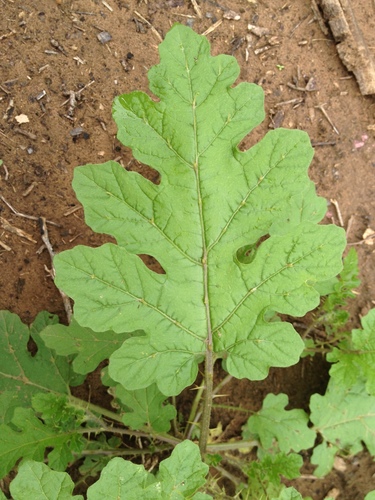
iNaturalist · cc0
no rights reserved, uploaded by Étienne Lacroix-Carignan
no rights reserved, uploaded by Étienne Lacroix-Carignan
What to Eat
Edible parts: Tubers, Roots
The small tubers and roots are cooked in ashes, boiled, or eaten with fish fats.
Where to Find It
It is a tropical plant. It forms colonies in sandy soils. In Argentina it grows from sea level to 3,500 m above sea level.
Argentina, Paraguay, South America*,
How to Identify
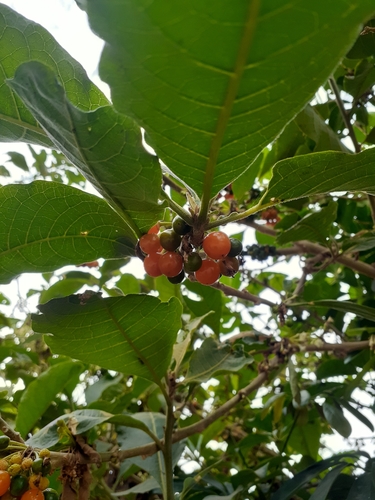
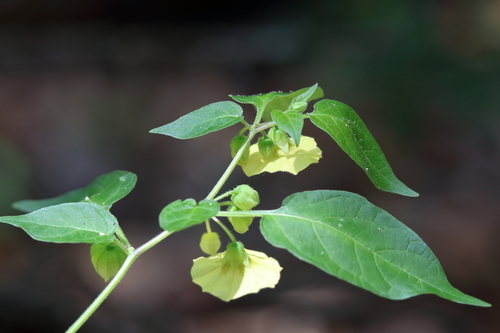
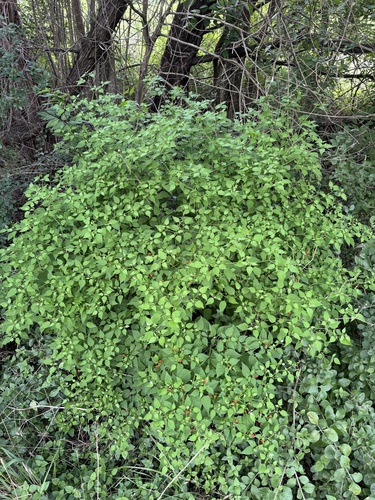
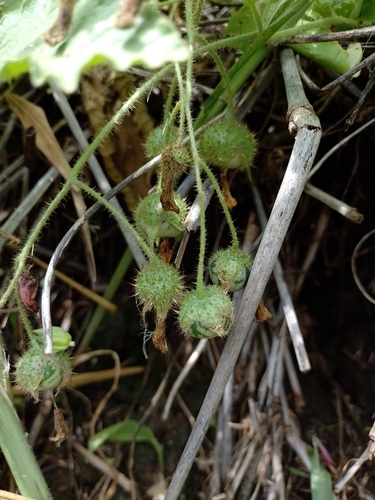
A herb. It keeps growing from year to year. The leaves are oval with a heart shaped base and lobes. The flowers are white.
Names & Synonyms
Jweelie, Meyek, Toti'ami
References (5)
- Arenas, P. and Scarpa, G. F., 2006, Edible wild plants of the Chorote Indians, Gran Chaco, Argentina. Botanical Journal of the Linnean Society. Vol. 153 (1): pp 73-85
- Montani, M. C. & Scarpa, G. F., 2016, Recursos vegetales y prácticas alimentarias entre indígenas tapiete del noreste de la provincia de Salta, Argentina. Darwiniana, nueva serie vol.4 no.1 San Isidro jul. 2016
- Polini, G., et al, Useful and edible plants of Paraguay Region of Chaco. p 128
- Scarpa, G. F., 2009, Wild food plants used by the indigenous peoples of South American Gran Chaco: A general synopsis and intercultural comparison. Journal of Applied Botany and Food Quality 83:90-101
- Schmedia-Hirschmann, G., 1994, Plants resources Used by the Ayoreo of the Paraguayan Chaco. Economic Botany Vol. 48. No. 3. pp. 252-258