Solanum asperum
L. C. Rich.
Boboro

iNaturalist · cc-by-nc-nd
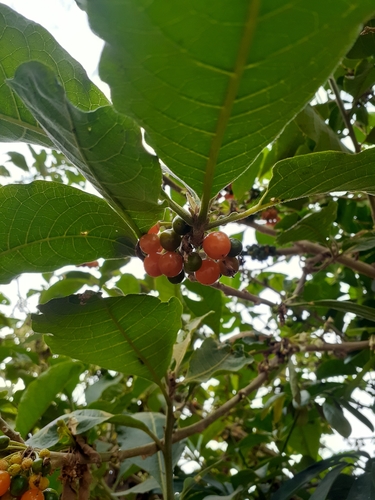
(c) Alex Popovkin, some rights reserved (CC BY-NC-ND), uploaded by Alex Popovkin
(c) Alex Popovkin, some rights reserved (CC BY-NC-ND), uploaded by Alex Popovkin

iNaturalist · cc-by-nc-nd
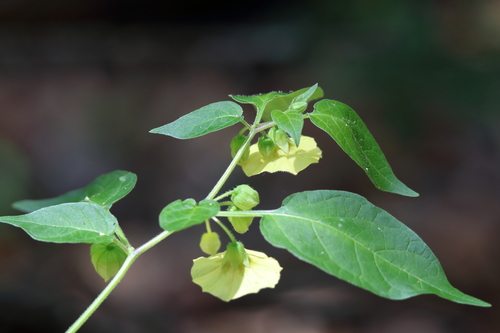
(c) Alex Popovkin, some rights reserved (CC BY-NC-ND), uploaded by Alex Popovkin
(c) Alex Popovkin, some rights reserved (CC BY-NC-ND), uploaded by Alex Popovkin
iNaturalist · cc-by-nc-nd
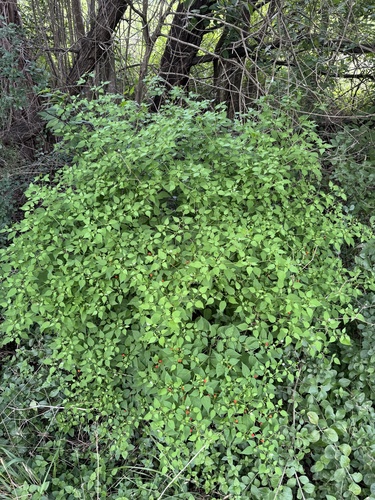
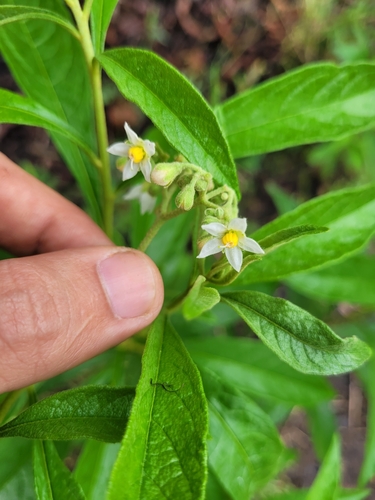
(c) Gabriel Bonfa, some rights reserved (CC BY-NC-ND), uploaded by Gabriel Bonfa
(c) Gabriel Bonfa, some rights reserved (CC BY-NC-ND), uploaded by Gabriel Bonfa
What to Eat
Edible parts: Fruit
The round yellow fruits are eaten.
Known Hazards
Where to Find It
It is a tropical plant.
Amazon, Brazil, Central America, Colombia, Ecuador, Guiana, Guianas, Guyana, Mexico, Panama, South America, Suriname, Trinidad, Venezuela,
How to Identify
A shrub. It can grow 6 m tall. The fruit is round and yellow and about 1 cm across.
How to Grow
It can be grown by seed or cuttings.
Propagation: Seed - sow in trays in a nursery. Prick out the seedlings into individual pots when they are large enough to handle and grow them on fast. Plant them out when 10cm or more tall. Cuttings of half-ripe wood. Very easy, the cuttings root within a couple of weeks.
References (4)
- Ferns, Useful Tropical Plants
- Johnson, M. and Colquhoun, A., 1996, Preliminary Ethnobotanical Survey of Kurupukari: An Amerindian Settlement of Central Guyana. Economic Botany, Vol. 50, No. 2, pp. 182-194
- Kermath, B. M., et al, 2014, Food Plants in the Americas: A survey of the domesticated, cultivated and wild plants used for Human food in North, Central and South America and the Caribbean. On line draft. p 814
- Roa, J. A. G. & Boada, D. S. G., 2018, Fundación para el Fortalecimiento de la Fruticultura y Plantas Alimenticias no Convencionales en Colombia.