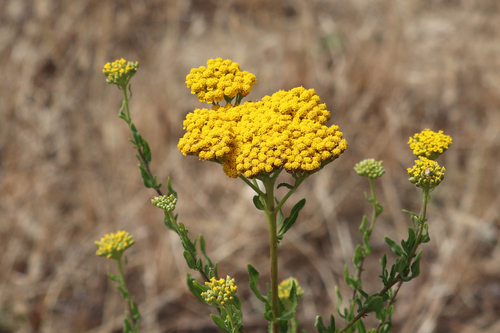
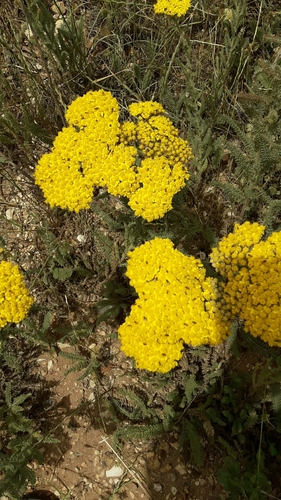
Echinops pungens
Trautv.

iNaturalist · cc-by-nc
(c) sj-cag, some rights reserved (CC BY-NC)
(c) sj-cag, some rights reserved (CC BY-NC)
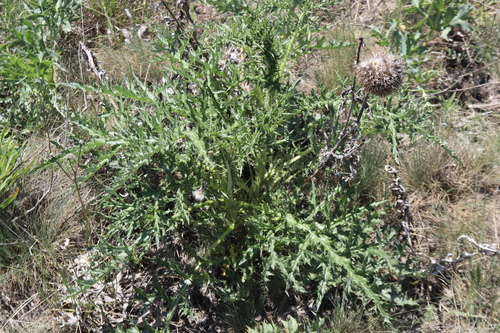
iNaturalist · cc-by
(c) Edmundas Greimas, some rights reserved (CC BY)
(c) Edmundas Greimas, some rights reserved (CC BY)
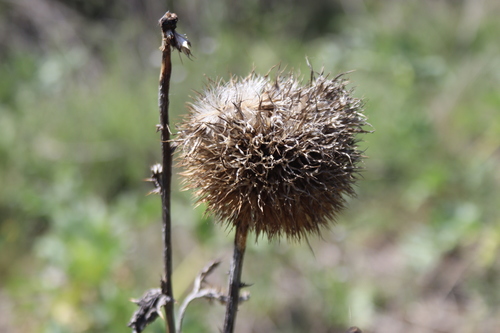
iNaturalist · cc-by
(c) Edmundas Greimas, some rights reserved (CC BY)
(c) Edmundas Greimas, some rights reserved (CC BY)
What to Eat
Edible parts: Stems, Flower head
The flower head is eaten fresh, and the young stems are peeled and eaten.
Where to Find It
It is a Mediterranean climate plant.
Europe, Mediterranean, Turkey, Türkiye,
Countries: Andorra, Albania, Austria, Bosnia & Herzegovina, Belgium, Bulgaria, Belarus, Switzerland, Cyprus, Czechia, Germany, Denmark, Algeria, Estonia, Egypt, Spain, Finland, France, United Kingdom, Greece, Croatia, Hungary, Ireland, Israel, Iceland, Italy, Lebanon, Liechtenstein, Lithuania, Luxembourg, Latvia, Libya, Morocco, Monaco, Moldova, Montenegro, North Macedonia, Malta, Netherlands, Norway, Poland, Portugal, Romania, Serbia, Russia, Sweden, Slovenia, Slovakia, San Marino, Syria, Tunisia, Turkey, Ukraine
How to Identify
An herb of the daisy family (Asteraceae) found in Mediterranean climate regions.
Names & Synonyms
Esek kengeri, Tpouz
References (5)
- Cakir, E. A., 2017, Traditional knowledge of wild edible plants of Iğdır Province (East Anatolia, Turkey). Acta Soc Bot Pol. 2017;86(4):3568.
- Dogan, A. & Tuzlaci, E., 2015, Wild Edible Plants of Pertek (Tunceli-Turkey). Marmara Pharmaceutical Journal 19: 126-135
- Ertug, F., 2000, An Ethnobotanical Study in Central Anatolia (Turkey). Economic Botany Vol. 54. No. 2. pp. 155-182
- Ertug, F, Yenen Bitkiler. Resimli Türkiye Florası -I- Flora of Turkey - Ethnobotany supplement
- Rivera, D. et al, 2006, Gathered Mediterranean Food Plants - Ethnobotanical Investigations and Historical Development, in Heinrich M, Müller WE, Galli C (eds): Local Mediterranean Food Plants and Nutraceuticals. Forum Nutr. Basel, Karger, 2006, vol 59, pp 18–74