Solanum coagulans
Forssk.
Xi ha la gou
(c) Anthony Kaschula, some rights reserved (CC BY-NC), uploaded by Anthony Kaschula

(c) bzsocarras, some rights reserved (CC BY-NC)

(c) fthomson, some rights reserved (CC BY-NC)
What to Eat
Edible parts: Fruit, Vegetable
The fruit are used as a vegetable and to coagulate milk.
Known Hazards
Where to Find It
It is a tropical plant. In Yunnan.
Africa, Asia, China, East Africa, Egypt, Kenya, North Africa,
How to Identify
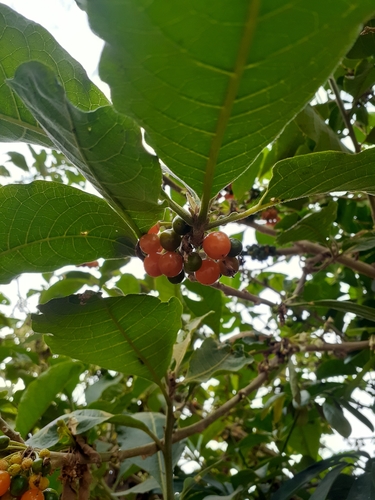
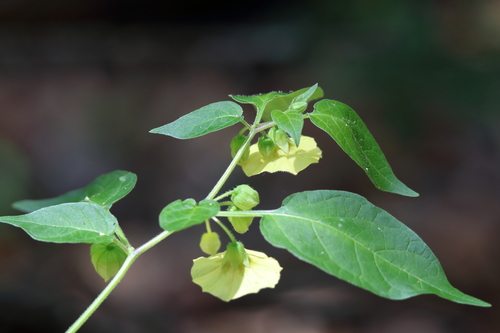
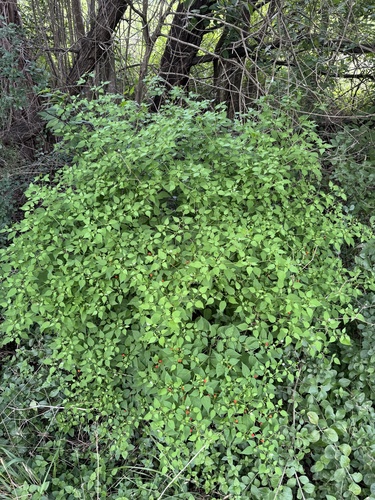
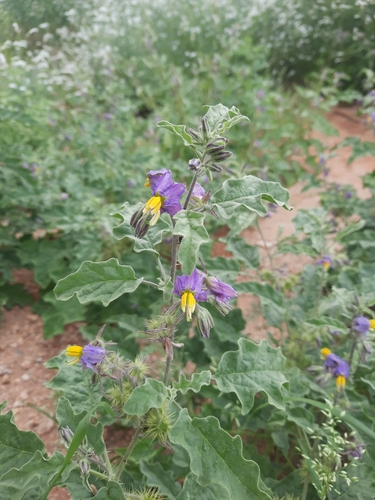
A shrub. It keeps growing from year to year. It has prickles. The fruit are about 1 cm across.
How to Grow
A common weed within the plants native range.
Propagation: Seed - sow in trays in a nursery. Prick out the seedlings into individual pots when they are large enough to handle and grow them on fast. Plant them out when 10cm or more tall. Division of the stems..
Medicinal Uses
An infusion of the stems is used as a treatment for stomach ache. The roots are used to treat cough. The boiled roots are taken to avoid a miscarriage. The roots are chewed by expectant mothers who experience abnormal pain. The seeds are used as a purgative. The dry seeds are powdered and applied to wounds as an antiseptic. The whole plant, including the fruits, is pulped and applied to wounds and skin tumours as a dressing.
Other Uses
The fruits are used for tanning.
Other Information
Fruit are sold in local markets. It is a cultivated plant.
Names & Synonyms
Maheleng, Mahe, Makene
References (4)
- Fu, Yongneng, et al, 2003, Relocating Plants from Swidden Fallows to Gardens in Southwestern China. Economic Botany, 57(3): 389-402
- Mutie, F. M., et al, 2023, Important Medicinal and Food Taxa (Orders and Families) in Kenya, Based on Three Quantitative Approaches. Plants 2023, 12, 1145
- Samuels, J., 2015, Biodiversity of Food Species of the Solanaceae Family: A Preliminary Taxonomic Inventory of Subfamily Solanoideae. Resources 2015, 4. 277-322
- Xu, You-Kai, et al, 2004, Wild Vegetable Resources and Market Survey in Xishuangbanna, Southwest China. Economic Botany. 58(4): 647-667.