Brenandendron donianum
(DC.) H. Rob.
Cabbage tree
AsteraceaeLeaves

iNaturalist · cc-by-nc
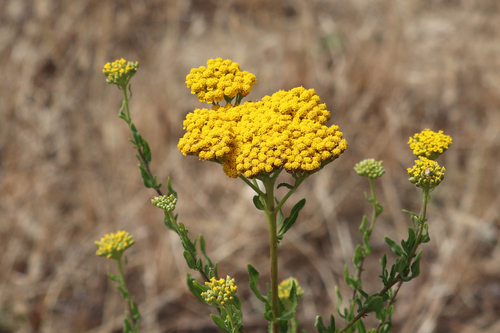
(c) Carel Jongkind, some rights reserved (CC BY-NC), uploaded by Carel Jongkind
(c) Carel Jongkind, some rights reserved (CC BY-NC), uploaded by Carel Jongkind

iNaturalist · cc-by-nc
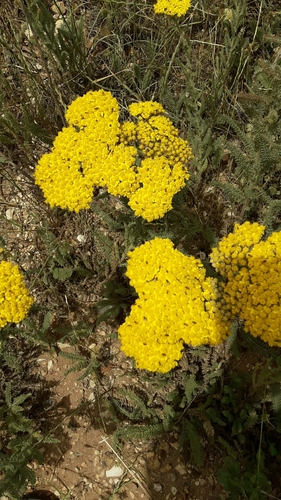
(c) Carel Jongkind, some rights reserved (CC BY-NC), uploaded by Carel Jongkind
(c) Carel Jongkind, some rights reserved (CC BY-NC), uploaded by Carel Jongkind

iNaturalist · cc-by-nc
(c) Carel Jongkind, some rights reserved (CC BY-NC), uploaded by Carel Jongkind
(c) Carel Jongkind, some rights reserved (CC BY-NC), uploaded by Carel Jongkind
What to Eat
Edible parts: Leaves
The leaves are eaten.
Where to Find It
It is a tropical plant. It grows in clearings in the bush and old farmland.
Africa, Cameroon, Central Africa, Congo, Côte d'Ivoire, Equatorial Guinea, Gabon, Ghana, Guinea, Guinée, Ivory Coast, Liberia, Nigeria, Sierra Leone, West Africa,
Countries: Angola, Burkina Faso, Burundi, Benin, Botswana, Congo (DRC), Central African Republic, Congo (Republic), Cote d'Ivoire, Cameroon, Cape Verde, Djibouti, Algeria, Egypt, Eritrea, Ethiopia, Gabon, Ghana, Gambia, Guinea, Equatorial Guinea, Guinea-Bissau, Kenya, Comoros, Liberia, Lesotho, Libya, Morocco, Madagascar, Mali, Mauritania, Mauritius, Malawi, Mozambique, Namibia, Niger, Nigeria, Rwanda, Seychelles, Sudan, Sierra Leone, Senegal, Somalia, South Sudan, Sao Tome & Principe, Eswatini, Chad, Togo, Tunisia, Tanzania, Uganda, South Africa, Zambia, Zimbabwe
How to Identify
A shrub or tree. It grows 9 m high. The leaves can be 100 cm long by 20 cm wide.
Wikipedia
Source ↗Brenandendron donianum is a plant in the family Asteraceae, native to West and West-Central Africa.
Names & Synonyms
Ofena, Ohomo, Oriweni
Cacalia conferta KuntzeCacalia doniana KuntzeVernonia conferta Benth.Vernonia doniana DC.and others
References (2)
- Burkill, H. M., 1985, The useful plants of west tropical Africa, Vol. 1. Kew. (As Vernonia conferta)
- World Checklist of Useful Plant Species 2020. Royal Botanic Gardens, Kew